Tooth pain in later life needs a diagnosis, not an age-based decision. By checking whether the tooth can be restored, reviewing medical risks and medicines, and comparing treatment with extraction and replacement, you can make a safer choice and plan the care that follows.
Key takeaways
- Age alone does not make root canal treatment unsafe.
- Review blood thinners, diabetes, heart conditions, and current medicines beforehand.
- Confirm the tooth can be restored before choosing root canal treatment.
- Protect the treated tooth with a timely permanent crown or restoration.
Does age make root canal treatment unsafe or unsuitable?
No. Age alone does not make root canal treatment unsafe or unsuitable. Root canal treatment for elderly patients can be appropriate when the tooth is restorable, has adequate supporting bone and gum tissue, the patient can tolerate treatment, and a final restoration can be completed.
Tooth pain treatment for older adults starts by identifying the pain source rather than assuming infected pulp.
Other causes of similar pain include:
- A cracked tooth or vertical root fracture
- A gum abscess or severe periodontal disease
- A loose filling, deep decay, or an exposed root
- Tooth wear or trauma
- Sinus pain, jaw-joint pain, or referred pain from another tooth
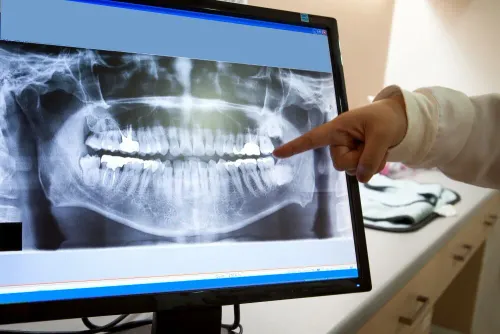
Assessment combines the pain history, cold or electric pulp testing, percussion, palpation, periodontal probing, and dental radiographs. Early pulpal disease may not appear on an X-ray, and a dark area around the root is not required.
Older teeth can have narrow or partly calcified canals because dentin continues forming; magnification, fine instruments, careful X-rays, and selected use of cone-beam CT can help.
| Finding | What it means | Likely decision |
|---|---|---|
| Restorable tooth with adequate bone and gum support | Treatment has a reasonable basis | Compare root canal treatment with extraction and replacement |
| Vertical root fracture or tooth that cannot be restored | The infection or fracture cannot be predictably controlled | Extraction may be more appropriate |
| Severe bone loss or inaccessible canals | Prognosis is poor | Ask whether saving the tooth is realistic |
| Uncertain diagnosis | Pain may not come from the pulp | Ask which tooth is responsible and which tests confirmed it |
| Final restoration not possible | The treated tooth remains vulnerable to leakage and fracture | Do not proceed without a restoration plan |
What medical and medication checks are needed before treatment?
A dentist should confirm that treatment is medically manageable, not reject it because of age. Before root canal for older adults tooth pain in Dombivli, bring your blood-pressure readings and details of diabetes control, kidney or liver disease, previous stroke or heart attack, allergies, osteoporosis treatment, cognitive status and ability to attend follow-up visits.
- Bring a complete medicine list with doses. Include warfarin, apixaban, rivaroxaban, clopidogrel, aspirin, bisphosphonates and denosumab, along with prescription, over-the-counter and herbal products.
- Do not stop an anticoagulant, antiplatelet drug or osteoporosis medicine because dental treatment is planned. The dentist and prescribing doctor will decide whether an adjustment, blood test or additional precaution is needed.
- Tell the clinic about dementia, delirium, severe anxiety or difficulty remaining still. Sedation or hospital-based care may be safer when cooperation, monitoring or medical support exceeds what a routine clinic can provide.
- Seek urgent assessment for facial or neck swelling, fever, spreading redness, confusion, difficulty swallowing or breathing, or inability to open your mouth normally. Do not wait for a routine appointment.
Antibiotics do not remove infected pulp or disinfect the canals. A clinician reserves them for systemic involvement or spreading infection and still arranges drainage, root canal treatment or extraction. These checks identify risks and practical needs; they do not automatically rule out treatment.
What happens during treatment, and how can the visit be adapted?
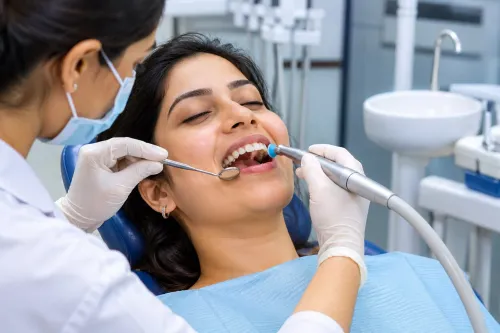
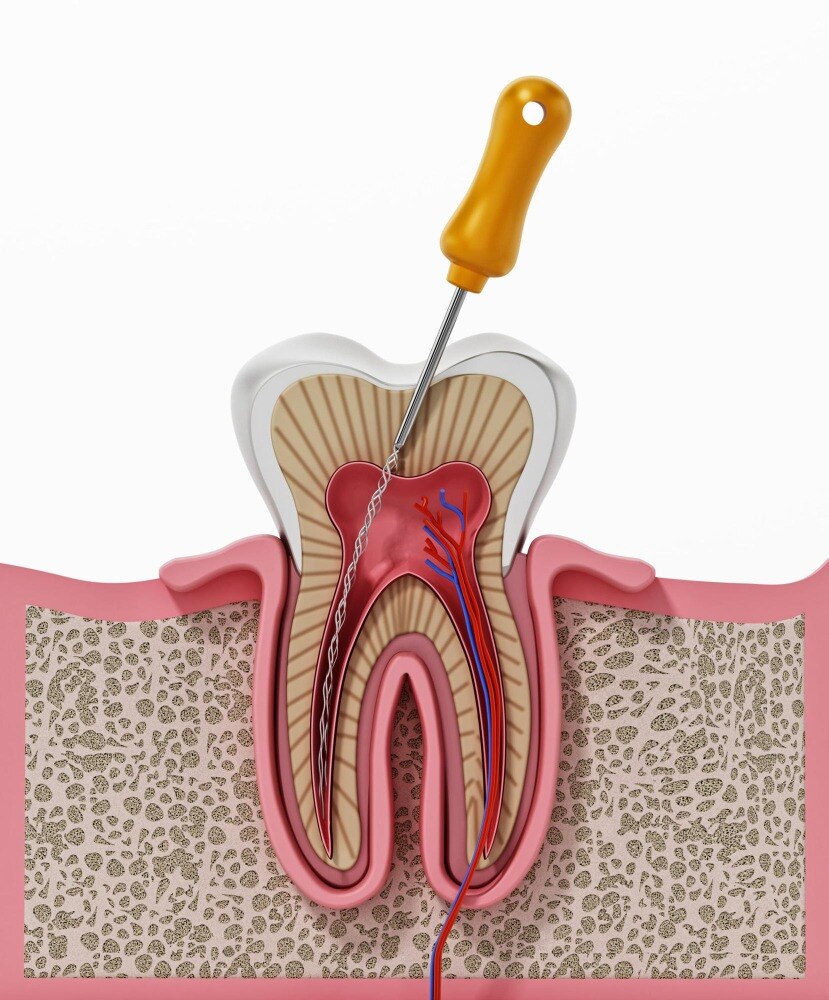
Treatment usually begins with examination and dental X-rays, followed by local anaesthetic. The dentist isolates the tooth, creates access to the canals, cleans and shapes them, fills and seals them, then places a temporary or permanent restoration.
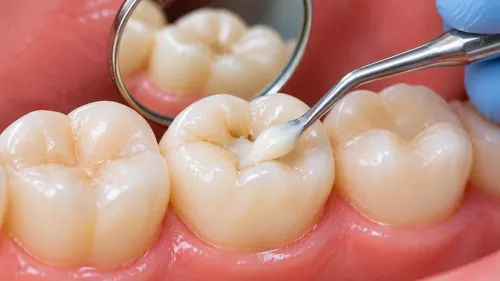
A badly weakened or heavily restored back tooth commonly needs a protective crown or another cuspal-coverage restoration; delaying it leaves the tooth vulnerable to leakage and fracture.
- One visit can suit a straightforward case. Narrow canals, drainage, a medicament between visits or complex anatomy can require more than one; visit count depends on the diagnosis and procedure, not age.
- Ask for the estimated number of treatment visits, separate restoration visits and expected appointment length. If sedation is planned, ask whether a caregiver should accompany you or arrange transport.
- Request modified chair positioning, hearing or vision accommodations, scheduled breaks and written instructions. Routine treatment uses local anaesthetic rather than general anaesthesia, but it is not automatically painless: an inflamed pulp can require supplemental anaesthetic, and tenderness can follow treatment.
Before taking ibuprofen, diclofenac, paracetamol or an antibiotic, ask the dentist or doctor to account for kidney disease, ulcers, liver disease, anticoagulants and other medicines. This planning helps make root canal treatment for elderly patients manageable without treating age as the reason to shorten or avoid necessary care.
Is saving the tooth better than extraction and replacement?
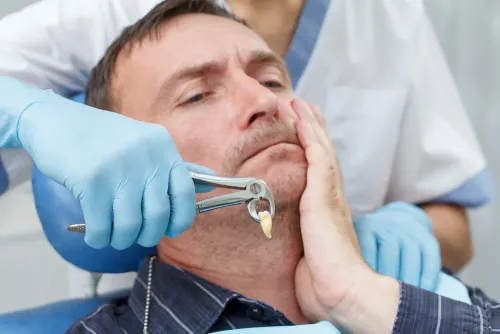
The better choice depends on the whole pathway: a restorable natural tooth, your health, the required restoration and your ability to complete follow-up. Root canal treatment preserves the tooth, but it is incomplete until a sound crown, onlay or other definitive restoration is placed and maintained.
| Option | Time and appointments | Function, bone and maintenance | Cost and medical suitability |
|---|---|---|---|
| Root canal | Often one or more treatment visits, plus restoration | Preserves the natural tooth and supporting bone; requires hygiene, reviews and timely protection from fracture | Includes treatment and restoration; suitable when the tooth is restorable and health is controlled |
| Extraction, no replacement | Fewest procedures | May reduce chewing efficiency and leave neighbouring or opposing teeth without stable contact; bone can resorb | Lower immediate cost, but function and future replacement remain concerns |
| Bridge | Extraction, tooth preparation and fitting visits | Restores chewing; requires reducing supporting teeth and cleaning beneath the replacement | Includes work on adjacent teeth; assess their strength and gum health |
| Single-tooth implant | Surgery, healing and later restoration | Replaces the tooth and can help preserve bone; requires surgical aftercare and cleaning | Higher treatment commitment; not automatically safer with diabetes or osteoporosis medication |
| Removable partial denture | Impressions, fitting and periodic adjustments | Requires insertion, removal and cleaning; chewing stability varies and bone is not reliably preserved | Often less surgical, but hand dexterity, memory and ongoing adjustments matter |
Ask whether you can complete the final restoration and travel for reviews. People searching for root canal for older adults tooth pain in Dombivli or root canal for senior citizens in Dombivli can ask Dr. Sunil Shahane Dental Clinic for step-free access, seating, caregiver attendance, transport needs, diagnostic fees and a written comparison.
Related services
Root Canal Treatment Dr. Pooja Ganu-Agnihotri in Dombivli provides advanced Root Canal Treatment (RCT) to save severely decayed, infected, or damaged teeth while... View service → |
Restoration and Fillings Dr. Pooja Ganu-Agnihotri in Dombivli offers high-quality dental restorations and tooth-colored fillings to repair teeth affected by decay, fractures,... View service → |
How should an older adult recover and protect the treated tooth?
Tenderness for several days is common because the tissues around the root were inflamed. For tooth pain treatment for older adults, including root canal for senior citizens in Dombivli, recovery depends on protecting the tooth and completing its restoration.
1. Follow the clinic’s medicine instructions and avoid chewing hard foods on the treated tooth until the definitive restoration is placed. Contact the dentist if pain worsens after the initial healing period, swelling or fever develops, the temporary filling falls out, or the bite feels high. Difficulty swallowing or breathing needs urgent assessment.
2. Ask a caregiver to record instructions, organise medicines, arrange transport and watch for changes. The older adult still has the right to understand the choices and give or refuse consent.
3. After restoration, brush twice daily with fluoride toothpaste, clean between teeth and attend recall visits. Delaying a crown, onlay or other definitive restoration raises the risk of leakage and fracture.
4. If medicines or illness reduce saliva, ask about frequent water, saliva substitutes, fluoride treatment, root-caries prevention and diet changes.
5. Before treatment, tell the dentist about dementia or severe anxiety, including communication preferences, triggers and decision-making support.
Proceed when the diagnosis is confirmed, the tooth is restorable with adequate support, medical conditions are controlled, and follow-up is practical. Otherwise, discuss extraction and replacement.
Frequently asked questions
Does age make root canal treatment unsafe or unsuitable?
No. Age alone does not determine suitability. The tooth must be restorable, supported by healthy bone and gum tissue, and suitable for a final restoration.
What medical and medication checks are needed before treatment?
Tell the dentist about heart conditions, diabetes, bleeding disorders, kidney disease, allergies, and every medicine or supplement, especially blood thinners and steroids. Do not stop prescribed medicine without medical advice.
What happens during root canal treatment, and how can the visit be adapted?
The dentist removes infected or inflamed pulp, cleans and seals the canals, and plans a final restoration. Shorter appointments, extra breaks, clear instructions, and positioning support can make treatment easier.
Is saving the tooth better than extraction and replacement?
Saving a restorable natural tooth avoids an extraction and preserves chewing support. Extraction may be preferable when the tooth cannot be restored, lacks adequate support, or has a poor long-term outlook.
How should an older adult recover and protect the treated tooth?
Follow the dentist’s instructions, use prescribed pain relief as directed, avoid chewing hard foods on the tooth until restored, and report swelling, worsening pain, fever, or a loose temporary filling promptly.
Related services
Extraction Treatment Dr. Pooja Ganu-Agnihotri in Dombivli provides safe and comfortable tooth extraction treatment when a tooth cannot be preserved due to severe decay,... View service → |
Corticobasal Implants Corticobasal Implants are an advanced dental implant solution designed for patients with significant bone loss who may not be suitable candidates for... View service → |
Crown and Bridge Treatment Dr. Pooja Ganu-Agnihotri in Dombivli provides high-quality Crown and Bridge Treatment to restore damaged, weakened, or missing teeth. View service → |
Single Tooth Implant A single tooth implant is a long-lasting and natural-looking solution for replacing a missing tooth. Dr. View service → |
Keywords