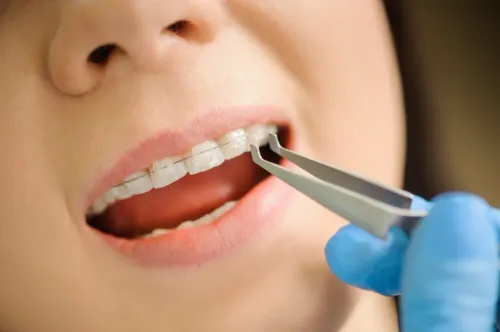
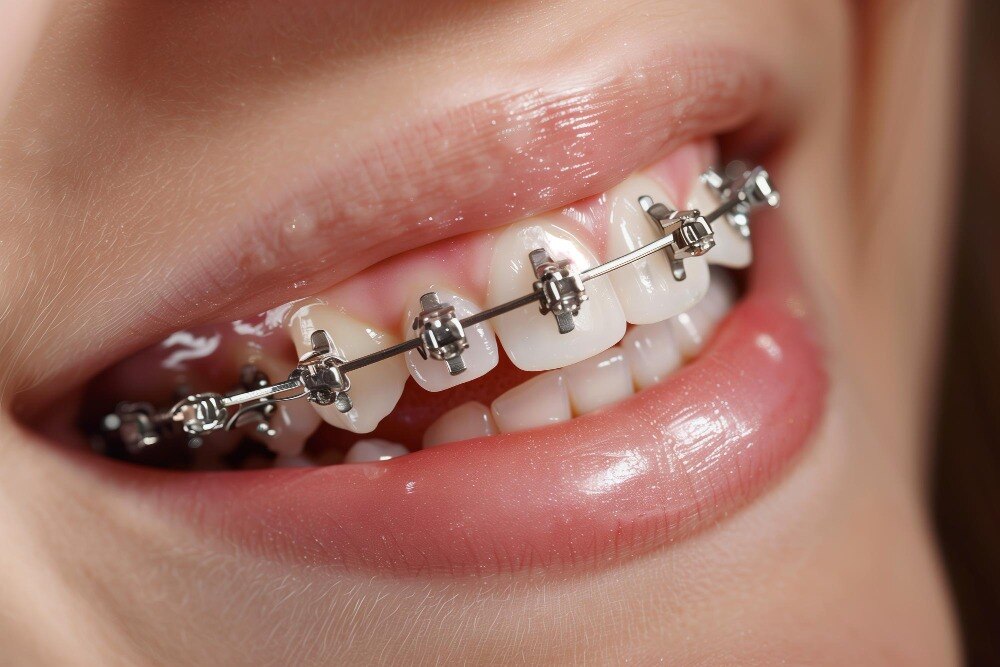
Metal braces suit many teenagers because most permanent teeth have erupted and the jaws are still developing, but age alone does not determine suitability. By reviewing eruption, bite, oral health, daily habits, school commitments and treatment responsibilities, you can decide whether fixed braces fit your teenager’s needs.
Key takeaways
- Permanent teeth, healthy gums and daily appliance care support suitability.
- An orthodontic assessment checks eruption, bite, jaw growth and oral hygiene.
- Plan for soreness, cleaning changes and food restrictions during treatment.
- Use mouth protection for sports and prepare supplies for school or travel.
When are metal braces suitable for a teenager?
A teenager is usually a suitable candidate for metal braces when enough permanent teeth have erupted, the teeth and gums are healthy, and the teenager can maintain the appliances. Age alone does not establish suitability.
1. The American Association of Orthodontists recommends an initial orthodontic check-up by age 7. That visit does not mean braces start at seven; the orthodontist may monitor development, while comprehensive treatment commonly begins during the teenage years.
2. Most teenagers have enough permanent teeth visible for fixed braces. Treatment does not need to wait until every permanent tooth erupts. An orthodontist may monitor unerupted teeth, wait for specific teeth to emerge, or begin treatment in stages.
3. For metal braces for teenagers in Dombivli, the assessment should cover permanent-tooth eruption, crowding, overbite or underbite, jaw growth, missing or extra teeth, and the teenager’s ability to brush around brackets, avoid damaging foods, attend visits and follow instructions.
4. Untreated cavities, active gum disease or very poor brushing need attention before brackets are bonded. Brackets create plaque-retention areas, so inadequate cleaning can cause gingivitis, white-spot lesions and decay.
5. A suitable candidate has a clear orthodontic problem and the health and cooperation needed for treatment. Another teenager may need growth monitoring, space management or a different plan first. Appearance concerns, age, or wanting a quick result cannot determine suitability.
What happens during an orthodontic suitability assessment?
An orthodontist recommends braces only after checking dental development, oral health, jaw growth and cooperation—not simply because a teenager wants straighter teeth.
- The examination records which permanent teeth have erupted and measures overbite, underbite, crossbite, open bite, midline position, jaw relationship, and the amount and location of crowding.
- The orthodontist checks gum health, cavities, enamel condition, plaque levels, missing or extra teeth, root positions, and signs of grinding or previous trauma.
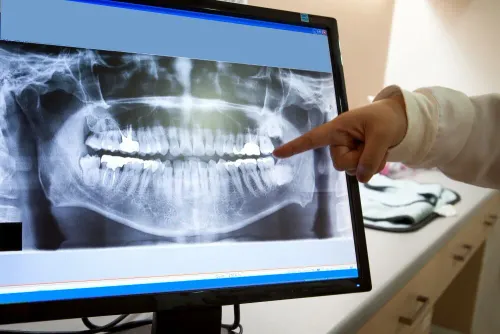
- Records can include facial and dental photographs, bite impressions or digital scans, plus radiographs such as a panoramic image or lateral cephalogram when clinically indicated.
- Growth pattern and available space are assessed to decide whether treatment needs tooth extraction, expansion, space creation or monitoring. Crowded teeth do not automatically require extraction.
- Cooperation is assessed too: can the teenager brush around brackets, avoid hard and sticky foods, attend adjustment visits, wear prescribed elastics and report breakages promptly?
This makes orthodontic treatment for teenagers in Dombivli a health and cooperation decision, not a cosmetic purchase. Ask for the following in writing:
- Diagnosis and treatment objectives
- Alternatives, including monitoring or space management
- Estimated duration and appointment frequency
- Likely risks
- Retainer plan after braces are removed
A written plan makes the recommendation easier to compare and understand.
What will wearing metal braces feel like every day?
Expect pressure and tenderness for a few days after fitting metal braces or an adjustment. Each tooth has a bonded bracket, an archwire passes through the brackets, and elastic ligatures or clips hold the wire in place. Periodic wire changes or adjustments apply controlled force, so teeth can feel tight or sensitive before settling.
Brackets and wire can rub the cheeks and lips, especially during the first days. Press orthodontic wax over an irritating bracket or wire, following your orthodontic provider’s instructions.
Daily cleaning needs more attention because fixed braces cannot be removed. Use this routine:
- Brush with fluoride toothpaste around every bracket and along the gumline.
- Use an interdental brush or another recommended aid beneath the archwire and between brackets.
- Clean after school meals where possible. If equipment is unavailable, rinse thoroughly with water after eating and brush properly when you return home.
- Avoid chewing gum, toffee, hard sweets and ice. Do not bite directly into hard foods; cut apples and similar foods into small pieces.
- Keep adjustment visits and report breakages promptly. For braces for school students in Dombivli, missed visits and repeated bracket damage can prolong treatment.
Call the orthodontic provider rather than waiting for the next appointment if a bracket becomes loose, a wire protrudes, facial injury occurs or severe pain persists. Continue routine dental check-ups: braces do not prevent cavities or gum disease, and plaque around brackets can cause gingivitis, white-spot lesions and decay.
Can braces fit around school, sports and travel?
Fixed-brace treatment commonly takes about 18 to 24 months, so it can fit school life if the teenager and family protect appointment time.
Crowding severity, difficult tooth movement, jaw growth, missed appointments, broken brackets, poor brushing and failure to wear prescribed elastics can extend that timeline; no clinic should promise an exact completion date before assessing the case.
Plan adjustment visits around examinations, school events, sports fixtures, entrance-exam preparation and travel. Before starting teenage metal braces in Dombivli, ask:
- How often are adjustment visits expected, and can dates be arranged around the school calendar?
- What should we do if a bracket breaks or a wire pokes, and is an emergency appointment available in Dombivli when discomfort cannot wait?
- Which mouthguard suits fixed braces for the teenager’s sport? After a facial blow, contact the orthodontist rather than ignoring pain, bleeding, a loose tooth or appliance damage.
- If the teenager travels, whom should we contact away from home, and how will a delayed visit affect treatment?
A family comparing Dr. Sunil Shahane Dental Clinic with other local providers should assess appointment access, the clarity of the written plan, emergency arrangements and follow-up convenience—not just availability. The useful question is whether the student can maintain cleaning, attend visits and manage the appliance for the full course.
Related service
Braces Metal Treatment Dr. Pooja Ganu-Agnihotri in Dombivli offers Metal Braces Treatment to effectively correct misaligned teeth, overcrowding, gaps, and bite... View service → |
How should you make the final treatment decision?
Metal braces are a sensible choice when the examination confirms suitability and the teenager and family accept visible brackets, careful cleaning, food restrictions, regular visits and possible treatment delays. Because they remain attached to the teeth, they do not depend on remembering to remove and replace an appliance throughout the day.
| Option | Main advantage | Important trade-off |
|---|---|---|
| Metal braces | Fixed and effective for many bite problems | Visible; brackets and wires require careful hygiene and food choices |
| Ceramic braces | Less noticeable brackets | Can be more vulnerable to breakage and still require fixed-appliance care |
| Clear aligners | Removable and discreet | Cleaning, wear time and compliance affect progress; not suitable for every bite |
Choose by diagnosis and lifestyle, not appearance alone. Ask for a written plan that states:
- The diagnosis and planned tooth movements
- Whether extraction, expansion or another alternative is being considered
- Estimated treatment length, fees, included visits and appointment frequency
- What happens after missed appointments or repeated bracket breakages
- The retention plan after removal
Confirm who will check for cavities, enamel changes and gum inflammation during treatment. Retainers reduce unwanted tooth movement after braces; wearing them can remain a long-term or indefinite responsibility. Compare plans from orthodontic providers, then choose metal braces when the teenager can meet the care and attendance demands.
Frequently asked questions
When are metal braces suitable for a teenager?
Metal braces suit a teenager when enough permanent teeth have erupted, the teeth and gums are healthy, and the teenager can maintain the appliances. Age alone does not establish suitability.
What happens during an orthodontic suitability assessment?
The orthodontist examines the teeth, gums, bite and jaw growth, then uses records such as photographs, dental models or X-rays when needed to plan treatment.
What will wearing metal braces feel like every day?
Expect pressure or soreness after fitting and adjustments, plus new cleaning routines and food precautions. Orthodontic wax can ease irritation from brackets and wires.
Can braces fit around school, sports and travel?
Yes, with planning. Carry a toothbrush, orthodontic wax and prescribed care supplies, and wear a mouthguard during contact sports.
How should you make the final treatment decision?
Compare the assessment findings, expected treatment demands, hygiene commitment, school and activity schedule, and the orthodontist's proposed alternatives before choosing.
Keywords