The right procedure depends on whether the tooth is visible and accessible, whether its roots or surrounding bone create difficulty, and whether the tooth can still be restored. By the end, you will know what to ask about examination, X-rays, anaesthesia, medical risks, aftercare, and replacement before choosing tooth removal.
Key takeaways
- A visible tooth with an intact crown usually suits simple extraction.
- Ask whether decay, infection or trauma makes saving the tooth possible.
- Wisdom-tooth removal needs an X-ray and assessment of roots and nerve position.
- Compare clinics by examination, imaging, aftercare instructions and emergency support.
Simple or surgical extraction: which procedure fits the tooth?
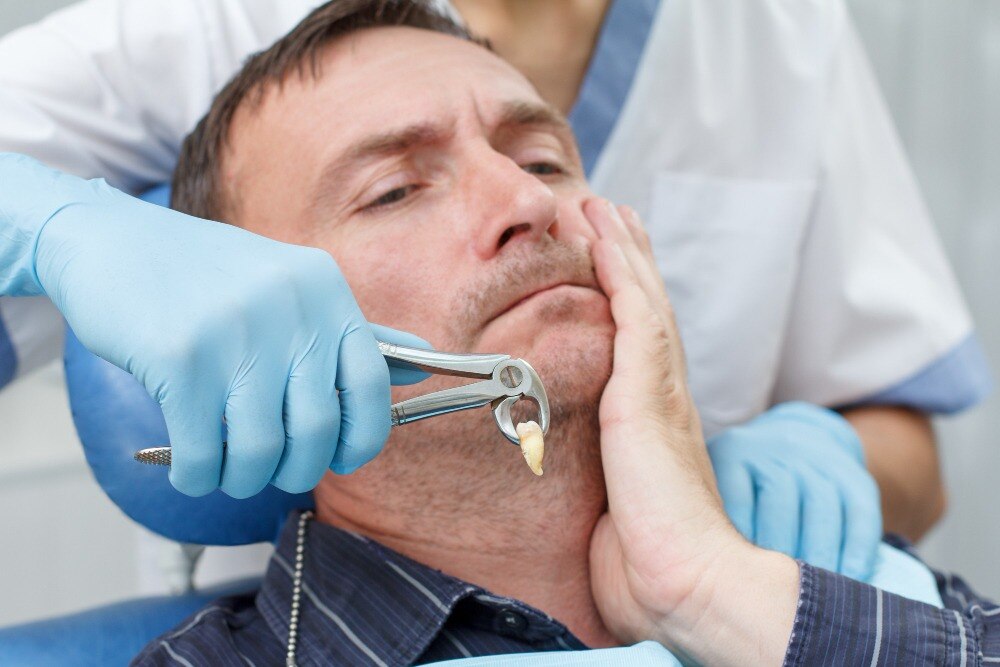
A simple extraction suits a tooth that is fully erupted, visible above the gum, and has an intact crown the dentist can grip. After loosening it with elevators, the dentist removes it with forceps. This is the usual meaning of simple tooth extraction in Dombivli.
| Option | What the dentist sees | What the procedure may involve |
|---|---|---|
| Simple extraction | Visible tooth, intact crown, accessible position | Elevators loosen the tooth; forceps remove it |
| Surgical extraction | Tooth broken at the gum line, difficult or curved roots, limited access, or coverage by gum or bone | Opening gum tissue, removing bone or gum, or dividing the tooth into smaller pieces |
| Sutures | An extraction site that needs closure after surgical access | Stitching the gum when required |
The examination and dental X-ray decide which approach is safer; you cannot select “simple” or “surgical” by name. A tooth hidden under gum, trapped in bone, or difficult to grip can require surgical access even if the removal seems straightforward beforehand.
Local anaesthetic should prevent sharp pain during tooth extraction in Dombivli. Pressure, movement, and vibration remain possible, but tell the dentist immediately if you feel sharp pain so more anaesthetic can be given. Your dentist should also explain the findings, planned steps, risks, and alternatives before treatment.
Can the tooth be saved instead of extracted?
A tooth should be extracted only after the dentist decides that saving it is not predictable. Ask for a restoration assessment before agreeing to removal.
1. Crack depth: Is the crack limited to the crown, or does it extend below the gum and into the root? A crack below a repairable level often makes the tooth unrestorable.
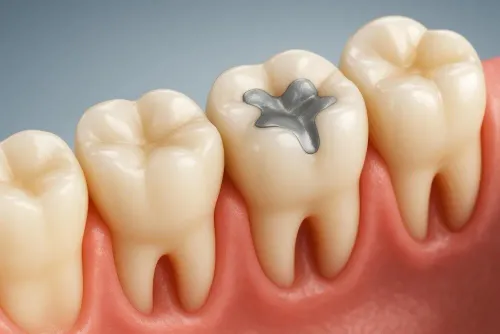
2. Sound structure: How much healthy tooth remains after decay or fracture is removed? A filling or crown may work when enough structure remains to hold and protect the restoration.
3. Infection: Could root-canal treatment remove the infection and preserve a strategically useful tooth? An infected tooth is not automatically a lost tooth.
4. Gum and bone support: Is the tooth mobile because of treatable periodontal disease? Periodontal treatment may help when sufficient support remains; severe bone loss makes retention less suitable.
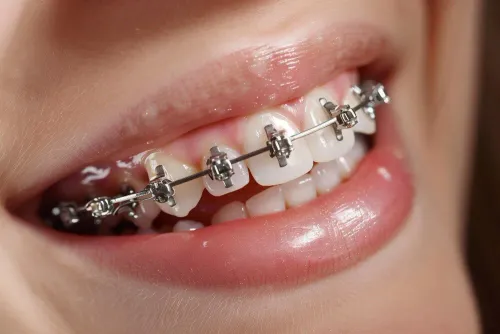
5. Position and purpose: Does the tooth contribute to chewing, support another restoration, or have a position that makes treatment practical? Selected spacing or crowding problems may respond to orthodontic management instead.
6. Retention: Can the tooth be restored, cleaned, and maintained over time? Extraction becomes more likely when it is unrestorable, severely loose, fractured beyond repair, or unsuitable for retention.
Ask directly: “What finding makes removal necessary, and what would saving it involve?” Request the examination findings and dental X-ray evidence behind the recommendation.
Why wisdom-tooth removal needs a separate assessment
A fully erupted wisdom tooth with a visible, intact crown can often be accessed like any other tooth. A partially erupted or impacted third molar needs separate assessment because gum, bone, angulation, root shape, and access can change both the procedure and its risks.
Removal is considered when there is disease or a significant risk of disease, including:
- Abnormal angulation that traps food or presses against the adjacent molar
- Gum trapped around the tooth, causing recurrent pericoronitis
- Damage or decay affecting the adjacent molar
- Abscess, unrestorable decay, or cystic change
A symptom-free impacted wisdom tooth is not automatically removed. Your dentist weighs its position, cleaning access, disease risk, age, and imaging findings rather than applying a blanket rule.
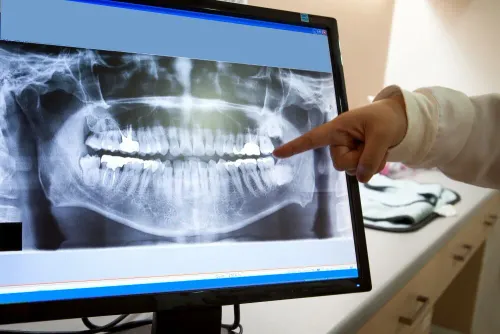
A panoramic X-ray is commonly considered because it shows both jaws, the wisdom-tooth roots, surrounding bone, nearby teeth, and the inferior alveolar nerve canal in one view.
Additional imaging, such as cone-beam computed tomography, is needed when the roots appear close to that nerve, root shape is unclear, bone or adjacent-tooth damage needs detail, or surgical access is difficult.
The label “wisdom tooth” does not determine the plan. Nerve position, root shape, access, and disease determine whether removal is simple or surgical and what nerve, sinus, fracture, or healing risks a tooth removal dentist in Dombivli should discuss.
What should you prepare for before and after extraction?
Before removal, the dentist should review your medical history, medicines, allergies, pregnancy status, immune suppression, supplements, diabetes, hypertension, and any previous difficult bleeding. Disclose blood thinners and antiplatelet medicines; never stop a prescribed medicine without advice from the prescribing clinician.
The dentist will explain alternatives, risks, and aftercare before you give consent, and may take an X-ray.
| Option | What you feel or receive | When it applies |
|---|---|---|
| Local anaesthesia | Numbs the tooth and gum; pressure, movement, or vibration remain possible | Routine for many extractions |
| Sedation with local anaesthesia | Reduces anxiety while local anaesthesia prevents sharp pain | Significant anxiety or a complex procedure |
| General anaesthesia | You are unconscious in a suitable, properly equipped facility | Selected cases; not automatic |
After numbing, the dentist loosens the tooth with instruments, removes it, and places gauze over the socket. Bite on it exactly as directed. Protect the blood clot by avoiding vigorous rinsing, spitting, and smoking initially, then follow instructions for brushing and analgesics.
Dry socket, also called alveolar osteitis, causes increasing severe pain a few days later, often with bad taste or odour. Treatment commonly involves cleaning, a dressing, and pain control; antibiotics are not routine after every extraction unless spreading infection or another indication exists.
Contact the dentist promptly for persistent bleeding, fever, worsening swelling, trouble swallowing or breathing, uncontrolled pain, or altered sensation. Attend the scheduled follow-up.
How do you compare a tooth-removal clinic in Dombivli?
A good dental extraction clinic in Dombivli helps you decide whether removal is necessary, not simply schedule it. Compare clinics using these questions:
- Does the dentist examine the tooth, gums, bite and surrounding tissues, and provide suitable X-rays?
- Do they explain filling, crown, root-canal, periodontal and orthodontic alternatives before recommending extraction?
- Do they review medicines, allergies, bleeding history, diabetes, pregnancy and other medical conditions?
- Do they describe the planned procedure, local anaesthetic, pressure or vibration, and sedation options in plain language?
- Ask about instrument sterilisation, emergency contact arrangements, follow-up timing and who manages complications.
Removing a permanent tooth also creates a space that can affect chewing and let neighbouring teeth move. Ask about replacement before consenting.
| Option | Healing and timing | Bone, medical factors, cost and maintenance |
|---|---|---|
| Implant | Requires socket healing and implant integration before the final tooth | Needs adequate bone and surgical suitability; higher initial cost, low daily maintenance |
| Fixed bridge | Usually restored sooner than an implant after gum preparation | Uses neighbouring teeth for support; lower initial cost than an implant, but needs cleaning underneath |
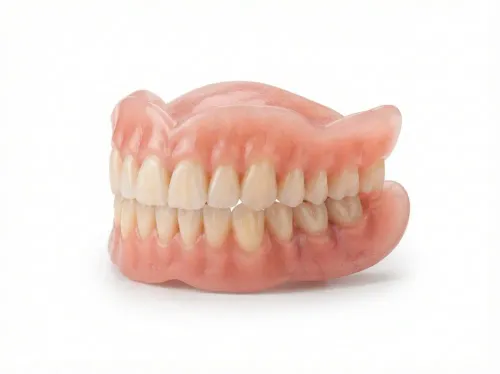
| Removable partial denture | Available after tissues settle and impressions are taken | Works with limited bone; lower initial cost, but requires removal, cleaning and periodic adjustment |
If you are asking, “Which tooth extraction option do I need in Dombivli?”, Dr. Sunil Shahane Dental Clinic can assess restorability, discuss alternatives, and plan extraction, replacement and follow-up without treating removal as automatic.
Related services
Extraction Treatment Dr. Pooja Ganu-Agnihotri in Dombivli provides safe and comfortable tooth extraction treatment when a tooth cannot be preserved due to severe decay,... View service → |
Wisdom Tooth Extraction Dr. Pooja Ganu-Agnihotri in Dombivli offers expert Wisdom Tooth Extraction services to address pain, infection, swelling, crowding, and other... View service → |
Frequently asked questions
What is the difference between simple and surgical tooth extraction?
Simple extraction is used for a fully erupted tooth that is visible above the gum and can be gripped with forceps. Surgical extraction is considered when gum or bone covers the tooth, the crown is broken, or the tooth needs sectioning for removal.
Can a tooth be saved instead of extracted?
Ask whether a filling, root canal treatment with a crown, periodontal treatment or another restorative option can preserve the tooth. The answer depends on the remaining tooth structure, infection, bone support and long-term restorability.
Why does wisdom-tooth removal need a separate assessment?
Wisdom teeth vary in angle, eruption status, root shape and proximity to the inferior alveolar nerve. A dental examination and appropriate X-ray help determine whether monitoring, simple extraction or surgical removal is safest.
What should you prepare for before and after tooth extraction?
Tell the dentist about medicines, allergies, pregnancy, diabetes and bleeding conditions before treatment. After extraction, follow the clinic's instructions on gauze pressure, food, brushing, smoking, strenuous activity and review appointments.
How should you compare a tooth-removal dentist in Dombivli?
Choose a clinic that examines the tooth before recommending removal, explains whether it can be saved, uses appropriate imaging, discusses risks and gives clear written aftercare and contact instructions.
Related services
Single Tooth Implant A single tooth implant is a long-lasting and natural-looking solution for replacing a missing tooth. Dr. View service → |
Root Canal Treatment Dr. Pooja Ganu-Agnihotri in Dombivli provides advanced Root Canal Treatment (RCT) to save severely decayed, infected, or damaged teeth while... View service → |
Denture Treatment Dr. Pooja Ganu-Agnihotri in Dombivli provides customized Denture Treatment to restore the appearance, function, and confidence of patients with... View service → |
Restoration and Fillings Dr. Pooja Ganu-Agnihotri in Dombivli offers high-quality dental restorations and tooth-colored fillings to repair teeth affected by decay, fractures,... View service → |
Keywords