
You may arrive with tooth pain, bleeding gums, sensitivity, a broken tooth, missing teeth, a bite concern or no symptoms at all. By the end of the visit, you should understand what the dentist examined, whether imaging is needed, what the finding means and which next step is appropriate.
Key takeaways
- Bring your medication list, dental records and details of your main concern.
- Expect a medical history, consent discussion and examination before any procedure.
- An X-ray is ordered when examination findings need images of teeth, roots or bone.
- Ask about alternatives, risks, costs, timing and what happens at the next visit.
What happens when you arrive and explain why you came?
Registration, consent and a medical and dental history come before any procedure.
Explain what happens at a dental consultation: when the problem began, whether pain is constant or triggered by cold, heat, chewing or sweets, and whether you have swelling, fever, bad taste, sensitivity, bleeding gums, bad breath, a broken or missing tooth, appearance concerns, bite problems or snoring.
Bring or describe:
- Previous fillings, crowns, root-canal treatment, extractions, trauma and complications with anaesthesia.
- Every medicine, including blood thinners, steroids and supplements.
- Allergies, diabetes, high blood pressure, bleeding disorders, pregnancy, recent surgery, smoking or tobacco use and other major conditions.
The general dental consultation process in Dombivli uses this information to choose a safe examination and decide whether your visit is preventive, pain-focused or treatment planning. Ask about hand hygiene, gloves, masks, eye protection, instrument sterilisation and cleaning of clinical surfaces before examination or treatment.
| Visit type | Main purpose | What follows |
|---|---|---|
| Routine checkup | Find disease before symptoms | Prevention and monitoring |
| Emergency visit | Prioritise severe pain, swelling, bleeding or injury | Urgent assessment and relief |
| Treatment visit | Perform a filling or root canal after diagnosis | Procedure and aftercare |
A consultation is a diagnostic discussion and examination, not automatically a cleaning or filling. Pain medicine alone does not remove an infection’s source. Ask what needs treatment, what can wait and when to return.
How does the dentist examine your mouth, and when is an X-ray needed?
The examination begins with your face and neck: the dentist looks for asymmetry or swelling and gently palpates areas that need checking. Inside your mouth, expect inspection of your teeth, gums, tongue, cheeks, palate and floor of the mouth.
This is a core part of a general dentist consultation in Dombivli, not merely a search for visible cavities.
A mirror, explorer, periodontal probe and air help reveal damage, plaque, gum inflammation, exposed roots, sensitivity and suspicious changes. The dentist also checks your bite, jaw movement, jaw-joint sounds or tenderness, tooth mobility, and signs of grinding or wear.
If gum disease is suspected, the dentist may record:
- Pocket depths and bleeding
- Gum recession and attachment loss
- Tooth mobility, plaque and calculus
Bleeding alone does not show the full condition of your gums.
A Digital Dental X-ray is not automatic at every dental checkup consultation in Dombivli. Bitewing images show decay between back teeth; periapical images show one tooth and its root; panoramic imaging covers broader concerns such as several teeth, jaw areas or an unerupted tooth.
Symptoms, age, previous disease, examination findings and planned treatment guide that choice. A normal-looking tooth can still hide decay, root infection, bone loss or an impacted tooth.
For imaging, you bite gently on a sensor or holder and remain still. The result can reveal disease requiring treatment or support observation. An X-ray supplements, rather than replaces, the clinical examination.
What can the dentist find, and how is the diagnosis explained?
The general dental consultation process in Dombivli should end with a plain-language diagnosis or working diagnosis, the evidence behind it and a clear distinction between urgent problems and conditions suitable for monitoring. What happens at a dental consultation depends on examination findings, symptoms and any imaging.
| Finding | Evidence discussed | Likely next step |
|---|---|---|
| Small cavity | Depth and activity | Preventive care or restoration |
| Gum inflammation | Pockets, bleeding, recession or bone loss | Hygiene advice, periodontal assessment or treatment |
| Cracked tooth | Crack location and remaining tooth structure | Decide whether protection is possible; chewing pain alone cannot locate the crack |
| Impacted tooth | Position and effect on neighbouring teeth | Observation, further imaging or referral |
| Tooth wear | Grinding, acidic drinks, reflux, brushing force and bite | Identify the cause and reduce further damage |
A sore, ulcer, lump, colour change or patch that does not resolve needs a review date, with further investigation or referral when indicated. Facial swelling, fever, difficulty swallowing or difficulty breathing requires urgent attention.
For pulpal or periapical disease, pain medicine relieves symptoms but does not remove the source. The dentist may prioritise drainage, root-canal treatment or extraction; antibiotics are reserved for systemic involvement or spreading infection. Ask which finding causes the symptom, what remains uncertain and what would make it more urgent.
How are treatment choices, alternatives and risks discussed?
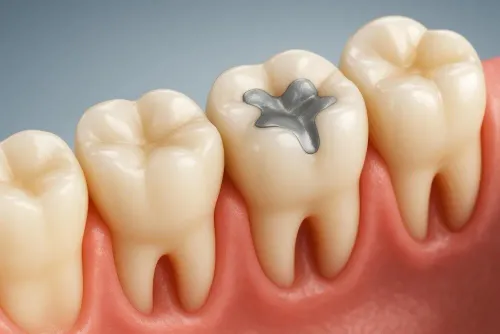
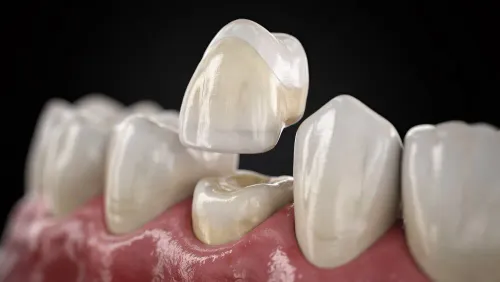
A useful treatment discussion compares these choices before you agree to a procedure. The dentist should explain whether the tooth is restorable, how much healthy structure remains, and whether a filling, crown or another restoration provides the best seal, strength and access for cleaning.
| Option | What it means | What to ask |
|---|---|---|
| Save the tooth | Restore and protect remaining structure | Can it be sealed reliably, and what happens if it fractures? |
| Remove the tooth | Extract it when retention is not predictable | How will the gap affect chewing, adjacent teeth, appearance and replacement? |
| Treat now or observe | Act immediately or monitor a suitable condition | What could worsen if you delay or decline care? |
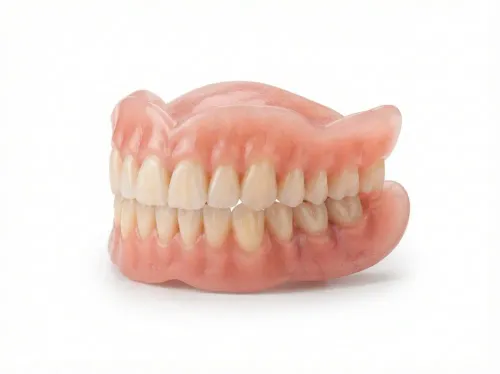
If replacement is needed, planning a crown, bridge, implant or denture must include the gums, bite, available space, ridge or bone, hygiene access and neighbouring teeth. An implant decision is not based on appearance alone. Three-dimensional imaging becomes useful when examination and two-dimensional images cannot show nerve position, sinus anatomy or bone dimensions adequately.
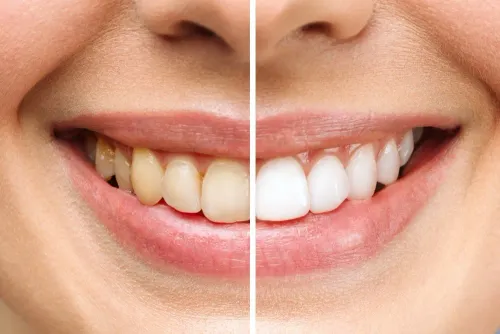
Ask about anaesthesia, discomfort, risks, expected benefit, visits, recovery, maintenance, total time and review appointments. For cosmetic concerns, discuss shade, tooth shape, alignment, gum display, enamel, bite and expectations before whitening, bonding, veneers or orthodontics. Whitening does not reliably change existing crowns, fillings or veneers, so mismatched colour can remain.
What happens at a dental consultation should end with a written priority sequence. At Dr. Sunil Shahane Dental Clinic, ask which specialty handles each stage before consenting to treatment.
What happens after the consultation, and how does the next visit differ?
The next visit should follow a written plan. A general dentist consultation in Dombivli should record the findings, diagnosis or working diagnosis, treatment priority, alternatives, estimated number of visits, home instructions and the review date or trigger. Keep copies of X-ray reports, estimates and medication instructions for a second opinion.
| Visit type | What happens next | What it does not replace |
|---|---|---|
| Routine dental checkup consultation in Dombivli | Prevention advice and a recall interval | Assessment of new pain or swelling |
| Pain consultation | Temporary relief followed by drainage, root-canal treatment or extraction when indicated | Definitive treatment; pain medicine alone does not remove infection |
| Cleaning appointment | Plaque and calculus removal, then polishing | Diagnosis when pain, swelling, gum pockets or a suspicious lesion is present |
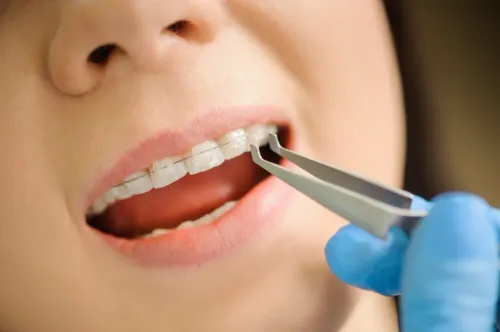
| Orthodontic assessment | Records such as photographs, dental casts or radiographs lead to a treatment plan | A quick estimate of treatment duration |
| Implant, crown, bridge or denture consultation | Function and tissue support are assessed before replacement is discussed | A decision based on appearance alone |
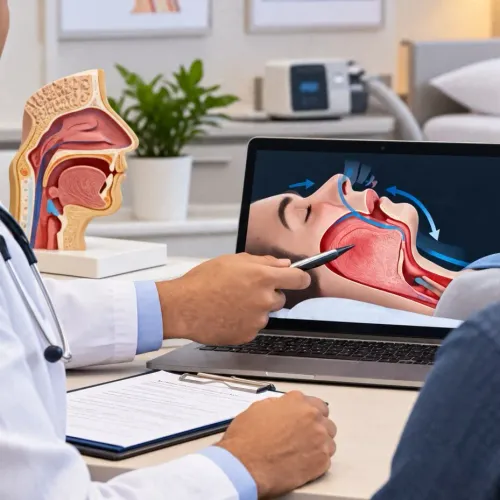
A sleep-related consultation may ask about loud snoring, witnessed breathing pauses, gasping, morning headaches and daytime sleepiness. Dental screening identifies risk, but obstructive sleep apnoea requires medical assessment and, when indicated, a sleep study.
- What should you do if pain worsens?
- Which symptoms require urgent care?
- When will the diagnosis be reviewed?
- How can you contact the clinic?
Frequently asked questions
What happens at a dental consultation?
Registration, consent and your medical and dental history come first. The dentist then discusses your concern, examines your mouth and explains findings, recommended treatment and next steps.
How does a dentist examine your mouth?
The dentist checks your teeth, gums, bite, jaw movement, existing dental work and areas causing pain or sensitivity. They may use a mirror, probe, light and gentle air or pressure during the examination.
When is an X-ray needed during a dental consultation?
An X-ray is useful when the dentist needs to assess areas that cannot be seen directly, such as tooth roots, bone, hidden decay, impacted teeth or infection. The dentist should explain why the image is needed before taking it.
How are dental treatment options explained?
The dentist should explain the diagnosis, recommended treatment, reasonable alternatives, expected benefits, risks, timing and likely follow-up. Ask what happens if you delay treatment and which option fits your priorities.
What happens after the consultation?
You receive a treatment plan or follow-up instructions. The next visit may involve a focused procedure, additional records or further discussion rather than repeating the full consultation.
Keywords