Finding which dentures are right for me in Dombivli begins with more than counting missing teeth: gum health, remaining tooth strength, jawbone shape, bite, budget and daily cleaning all affect the choice. By the end, you will know which questions to ask, how removable options compare with bridges and implants, and what the fitting process requires.
Key takeaways
- Choose dentures based on remaining teeth, gum health, bone support and your budget.
- Immediate dentures replace teeth after extraction but need follow-up adjustment as gums heal.
- Clean dentures daily, remove them overnight and brush your gums and tongue.
- Arrange adjustment or relining when dentures slip, rub, click or affect chewing.
What should determine your denture choice?
A dentist decides the design from your whole mouth, not just the number of missing teeth.
The question “which dentures are right for me in Dombivli” starts with missing teeth and location, then moves to the prognosis of remaining teeth, gum disease, ridge shape, jawbone support, bite and jaw relationships, saliva, medical history, hand dexterity, budget and appearance expectations.
| Option | What determines suitability | Main limitation |
|---|---|---|
| Full denture | All teeth are missing in one arch | Lower dentures have less support and can move with the tongue |
| Partial denture | Remaining teeth and gums can safely support the design | Weak, decayed or mobile teeth need treatment first |
| Overdenture | Implants or selected teeth provide added retention | Requires cleaning, planning, medical review and extra cost |
| Non-removable alternative | You need stronger chewing stability and have suitable teeth or bone | May involve tooth preparation, surgery or higher cost |
A removable denture is not the first choice when remaining teeth are treatable, gum disease is uncontrolled, your gag reflex is severe, you cannot clean the appliance, or you need more stable chewing.
Before choosing on speed or price, check:
- Are supporting teeth restorable and periodontally stable?
- Can you remove, clean and store the appliance daily?
- Does the plan address bone, bite, saliva and appearance?
- Would a bridge or implant provide better stability?
- What follow-up, relining and maintenance will you need?
How do full, partial and material options differ?
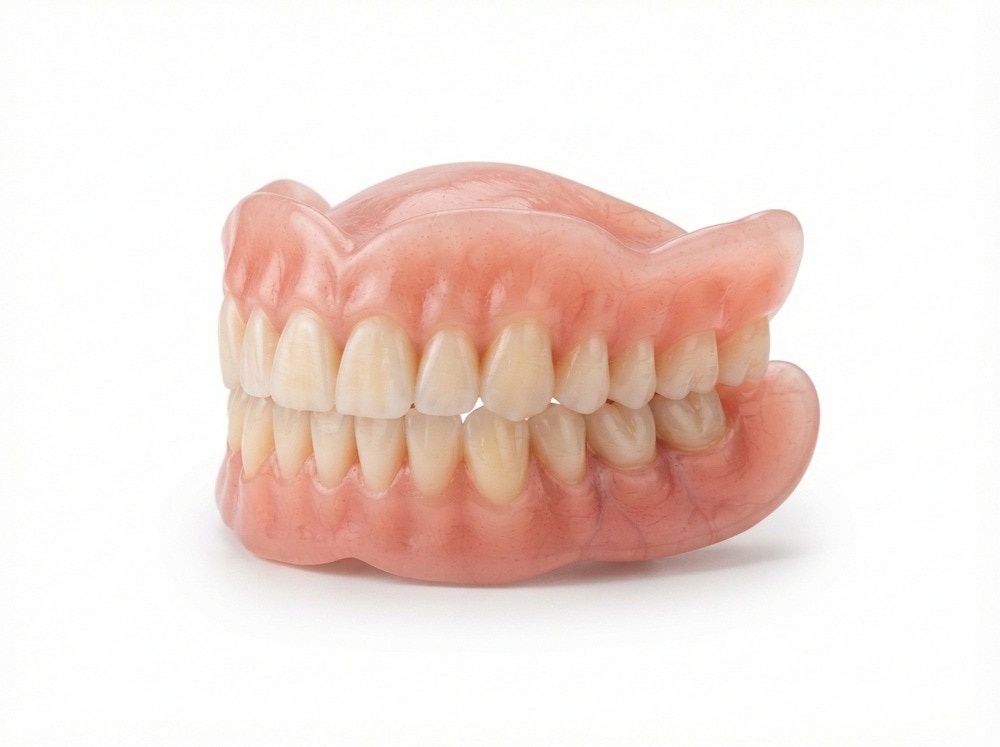
Full dentures in Dombivli replace every tooth in one arch, not automatically every tooth in both jaws. You can have a complete upper denture while keeping natural lower teeth, or use a partial denture below.
A full lower denture is harder to stabilise because the tongue, floor of the mouth and smaller supporting area can dislodge it.
| Option | What it means | Main trade-off |
|---|---|---|
| Acrylic partial | Removable base with replacement teeth | Easier to make or modify, but bulkier and less durable |
| Flexible partial | Tooth-coloured, bendable base | Less visible, but harder to adjust or repair and may provide less rigid support |
| Metal-framework partial | Thin framework using healthy supporting teeth | More rigid and thinner, but costs more and can show metal |
| Bridge | Fixed teeth supported by neighbouring teeth | Avoids daily removal, but requires suitable teeth and often reshaping them |
| Single-tooth implant | One replacement tooth anchored in bone | Preserves neighbouring teeth, but involves surgery, healing, cleaning and greater cost |
Partial dentures in Dombivli fit only when remaining teeth have adequate gum support, limited decay and a reliable prognosis. Treat weak supporting teeth first; otherwise the denture can overload them and fail.
An upper full denture usually gains retention from broad support and palate coverage. A lower denture has less support, so chewing stability and comfort depend heavily on ridge shape, tongue control and fit. If healthy neighbouring teeth should remain untouched, an implant or bridge can be preferable to a partial denture.
When are immediate dentures or implant-retained dentures appropriate?
Timing and extra support should change your choice when appearance, chewing confidence or denture stability matters. A conventional denture is made after extraction sites and soft tissues heal, while an immediate denture is inserted on extraction day to avoid being without teeth.
| Option | What it means | When it applies |
|---|---|---|
| Conventional denture | Made after healing | When you can wait for a more stable ridge and final fit |
| Immediate denture | Placed on extraction day | When appearance or continuous tooth replacement matters during healing |
| Implant-retained overdenture | Removable denture that clips onto implants | When a loose lower denture needs greater retention and surgery is suitable |
| Fixed implant bridge | Non-removable teeth attached to implants | When you want fixed teeth and meet the higher surgical, cleaning and cost demands |
Immediate dentures commonly need repeated adjustments, relining or replacement as gums and underlying bone shrink and change.
A lower denture is harder to stabilise because it has less supporting area and moves against the tongue; two implants can improve retention for a suitable patient, but require adequate bone or additional planning, medical-risk review, cleaning and maintenance. Compare these demands with your budget and the stability you expect when choosing dentures in dombivli.
What happens during a denture assessment and fitting?
A denture dentist in Dombivli should assess your mouth before recommending a design, not begin with an unexplained “customized” appliance. The appointment usually follows this sequence:
| Stage | What happens |
|---|---|
| Consultation and examination | Discuss your goals, medical history and budget; examine the mouth, gums and remaining teeth. |
| Planning records | Record your bite and jaw relationship, then take impressions or digital scans. |
| Investigation | Take X-rays when roots, bone, infection or the prognosis of a tooth needs checking. |
| Trial fitting | Test tooth position, speech, appearance and bite before the final denture is made. |
A partial denture plan should identify each supporting tooth and explain why it is healthy enough for that role. Ask how upper and lower retention differ, whether palate coverage is needed, whether relining is likely as the ridge changes, and how often reviews will occur.
At delivery, the dentist checks fit and makes pressure-point adjustments. Return for sore spots, rocking or a changed bite; bite corrections often require a clinical adjustment rather than more adhesive.
Dr. Sunil Shahane Dental Clinic is one place where you can ask for the proposed design, supporting teeth and review plan to be documented before agreeing to treatment.
- Ask when the next follow-up is scheduled.
- Ask what will trigger a reline, remake or replacement.
Related service
Denture Treatment Dr. Pooja Ganu-Agnihotri in Dombivli provides customized Denture Treatment to restore the appearance, function, and confidence of patients with... View service → |
What will daily denture care demand?
Plan on a learning period for speaking and chewing with any new removable denture; early sore spots can occur. Remove it at night unless your dentist gives a specific reason not to, then clean the appliance, gums and tongue every day.
Use a denture brush and a denture-cleaning product. Store the denture in water or a suitable soaking solution when it is out of your mouth. Hot water can distort the material, while ordinary abrasive toothpaste can scratch some denture surfaces.
| Choice | Daily work | Added considerations |
|---|---|---|
| Removable denture | Remove, brush and soak daily | Lower cost and no surgery, but it depends on your dexterity and may move during chewing |
| Implant-retained overdenture | Remove and clean the denture and around implants daily | It clips onto implants but remains removable; surgery, medical-risk review, sufficient bone, maintenance and higher cost apply |
Adhesive can improve retention in selected cases, but it must not conceal chronic looseness, pain or poor fit. Those problems call for adjustment, relining, replacement or another treatment. Compare the simpler routine of a removable denture with the surgical and cleaning demands of an overdenture, then weigh budget, hand dexterity and appearance priorities.
When does a denture need adjustment, relining or replacement?
A denture that causes persistent pain, ulceration, rocking, repeated clicking, difficulty eating or repeated dislodgement needs clinical examination—not home filing or progressively more adhesive. New dentures can cause early sore spots while you learn to speak and chew, but ongoing symptoms require attention.
Jawbone and soft tissues continue changing after tooth loss, so a once-stable denture can loosen. A dentist will decide whether it needs:
- Adjustment: minor changes to relieve a pressure point or correct the bite.
- Relining: a new fitting surface when the denture base no longer matches the changed ridge.
- Remaking: a new appliance when the design, bite or fit is no longer suitable.
- Replacement: a new denture when the appliance is worn, damaged or no longer serviceable.
Seek prompt examination for a sore spot that does not settle, bleeding tissue, a lump or an ulcer lasting more than two weeks. Do not cover these signs with adhesive. Periodic reviews should check the denture, remaining teeth and oral tissues, because denture wearers can still develop oral disease.
Frequently asked questions
What should determine my denture choice?
Your dentist assesses the number and position of missing teeth, remaining tooth strength, gum health, jawbone support, bite, comfort goals and budget. These findings determine whether full, partial, conventional, immediate or implant-retained dentures fit your situation.
What is the difference between full and partial dentures?
Full dentures replace all teeth in one arch. Partial dentures replace selected missing teeth while using remaining teeth and supporting tissues for stability. Acrylic and metal frameworks offer different balances of cost, strength, thickness and appearance.
When are immediate dentures or implant-retained dentures appropriate?
Immediate dentures are placed after planned extractions so you do not remain without teeth, but healing changes their fit and requires review. Implant-retained dentures suit people with adequate bone or a plan for implant treatment who want improved retention and chewing stability.
What happens during a denture assessment and fitting?
The dentist examines your mouth, gums, remaining teeth, bite and bone support, discusses options, takes measurements or impressions, and checks trial tooth arrangement before making the denture. The fitting appointment identifies pressure spots and bite problems for correction.
How should I care for dentures every day?
Remove and rinse dentures after meals, brush them with a soft denture brush and non-abrasive cleanser, and soak them overnight in water or the recommended solution. Brush your gums, tongue and any remaining teeth, and avoid hot water because it can distort the denture.
Keywords