The right whitening choice depends on whether you want a fast pre-event change, gradual shade improvement, removal of coffee or tobacco stains, or a wider smile makeover. By comparing cleaning and polishing, in-clinic whitening and dentist-supervised take-home trays, you can select an option that fits your stain type, timeline, restorations and sensitivity risk.
Key takeaways
- Choose in-clinic whitening when speed matters most.
- Use custom take-home trays for gradual, controlled whitening.
- Get a cleaning when deposits—not tooth colour—cause dullness.
- Ask the dentist to check decay, gum health, and sensitivity first.
Which whitening option matches your smile goal?
Your goal determines the right professional whitening option in Dombivli: choose in-clinic treatment for speed, custom take-home trays for gradual change, and cleaning when deposits—not tooth colour—create the problem.
| Option | Best match | What to expect |
|---|---|---|
| In-clinic whitening | Quick brightness before an event | A dentist examines your teeth, protects the gums, applies peroxide gel, then rinses and reviews the shade. Light or heat is used only when part of the chosen system. |
| Dentist-supervised take-home trays | Gradual improvement or maintenance | Custom trays hold a lower-strength gel. You follow a prescribed wear schedule over days or weeks and return for a review. |
| Cleaning and polishing | Coffee, tea, tobacco or calculus stains | Scaling and polishing remove surface deposits. Whitening gel is unnecessary when the natural tooth colour is already acceptable. |
| Bonding, veneers or crowns | Broader cosmetic change or severe intrinsic staining | These can alter shape, colour and visible defects when fluorosis, tetracycline staining, trauma or age-related changes respond poorly to bleaching. |
For professional teeth whitening options in Dombivli, begin with an examination rather than a peroxide strength. Cavities, cracked teeth, leaking fillings, inflamed gums and exposed roots can make whitening painful, while heavy calculus can cause uneven results.
Ask what happens if bleaching cannot reach your desired shade, and avoid salon or unregulated products that can burn gums or deliver inconsistent dosing. A whitening treatment in Dombivli should support oral care, not replace plaque control or gum-disease treatment.
What should a dentist check before whitening?
Start with an examination, not a peroxide strength. A teeth-whitening dentist in Dombivli should identify the cause of discolouration and check whether your teeth and gums can tolerate treatment.
1. Stains from coffee, tea, tobacco and plaque usually respond more predictably. Cleaning and polishing may remove surface deposits before bleaching. Fluorosis, tetracycline staining, trauma-related darkening and age-related dentine changes can improve unevenly or incompletely.
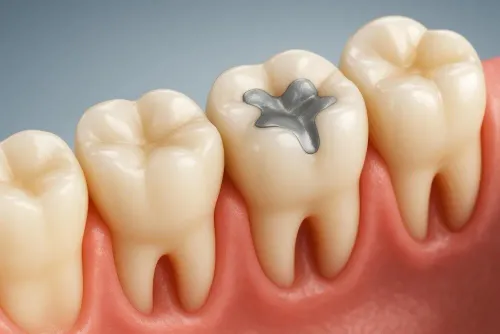
2. Active cavities, cracked teeth or leaking fillings can let whitening gel reach sensitive inner tissues. Treat these problems first, or whitening may cause sharp pain and worsen an unnoticed defect.
3. Red, swollen or bleeding gums require attention before whitening. Heavy calculus can block gel contact and create patchy results, while gel touching inflamed tissue can cause irritation or a chemical burn.
4. Exposed roots contain dentine rather than protective enamel. Whitening them often produces sensitivity and may not create the same shade as the crowns of your teeth, so the dentist may shield those areas or recommend treating sensitivity first.
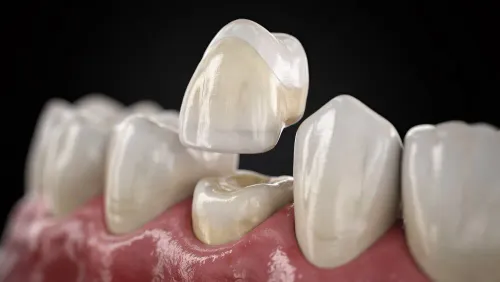
5. Crowns, veneers and tooth-coloured fillings do not lighten with peroxide. Whitening before replacing a visible restoration can help a dentist match the new colour; whitening after placement can leave it noticeably darker.
A single dark tooth after trauma needs separate assessment because ordinary whitening may not correct internal discolouration. Ask what shade change is realistic, which areas will remain unchanged and whether treatment should wait until dental work is complete.
What happens during in-clinic whitening?
Many in-clinic whitening appointments take about an hour, with most of the visible shade change completed in one visit. The exact duration depends on the examination, gum protection, number of gel applications and whether a review visit is needed.
The dentist will usually:
- Examine your teeth and gums, checking for cavities, cracks, leaking fillings, inflammation and exposed roots before treatment.
- Record the starting shade and clean away deposits that could cause uneven gel contact.
- Place cheek retractors and a protective barrier over your gums and exposed soft tissue.
- Apply a controlled, higher-concentration peroxide gel to the natural teeth.
- Reapply the gel in timed cycles; a light or heat source is used only when the chosen system calls for it.
- Remove the gel, rinse your mouth and compare the final shade with the starting record.
Professional dental whitening in dombivli is usually faster than dentist-supervised take-home trays, but speed has trade-offs. Temporary sensitivity or gum irritation is more likely after a concentrated application, and you may need to avoid strongly coloured foods and drinks for a short period.
Plan on one treatment visit only when your examination is clear and your target is realistic. A second visit or home maintenance may be recommended if the shade is difficult to reach. Whitening changes natural enamel and dentine, not fillings, crowns, veneers, bridges or implant crowns, so mismatched restorations may remain visible.
Severe intrinsic staining may need bonding, veneers or crowns instead.
How does dentist-supervised take-home whitening work?
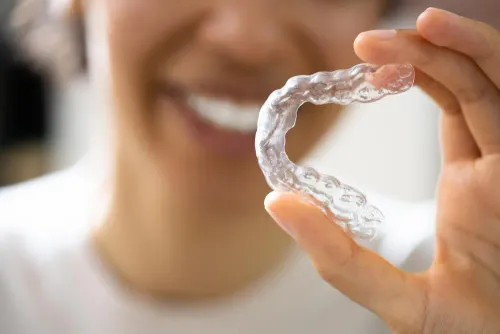
Custom trays let you whiten gradually at home while a dentist controls the fit, gel amount and schedule. During an appointment, the dentist examines your teeth and gums, records a starting shade, and takes impressions or a digital scan so the trays sit closely without pressing into the gumline.
1. The trays are made for your mouth and checked for gaps, sharp edges and areas where gel could pool. A poor fit can cause uneven whitening and gum irritation.
2. You receive a peroxide gel and instructions for loading each tray. Use the stated amount, keep the syringe sealed as directed, and wipe away gel that squeezes onto your gums; more gel does not produce a better result.
3. Follow the prescribed wear schedule, which can involve short daytime sessions or overnight use across several days or weeks. Do not extend sessions to chase a faster shade change, because prolonged exposure increases sensitivity.
4. Attend the planned review so the dentist can check shade progress, gum comfort and sensitivity before continuing or moving to maintenance. Stop and contact the clinic if you develop persistent pain, ulcers or marked gum whitening.
This approach suits a gradual whitening treatment in Dombivli and easier future maintenance. Keep trays clean, store them in their case, and use top-up gel only when advised. For professional dental whitening in Dombivli, ask how long the course should run and what happens if fillings, crowns or intrinsic stains do not change colour.
How should you judge the result and choose a safe provider?
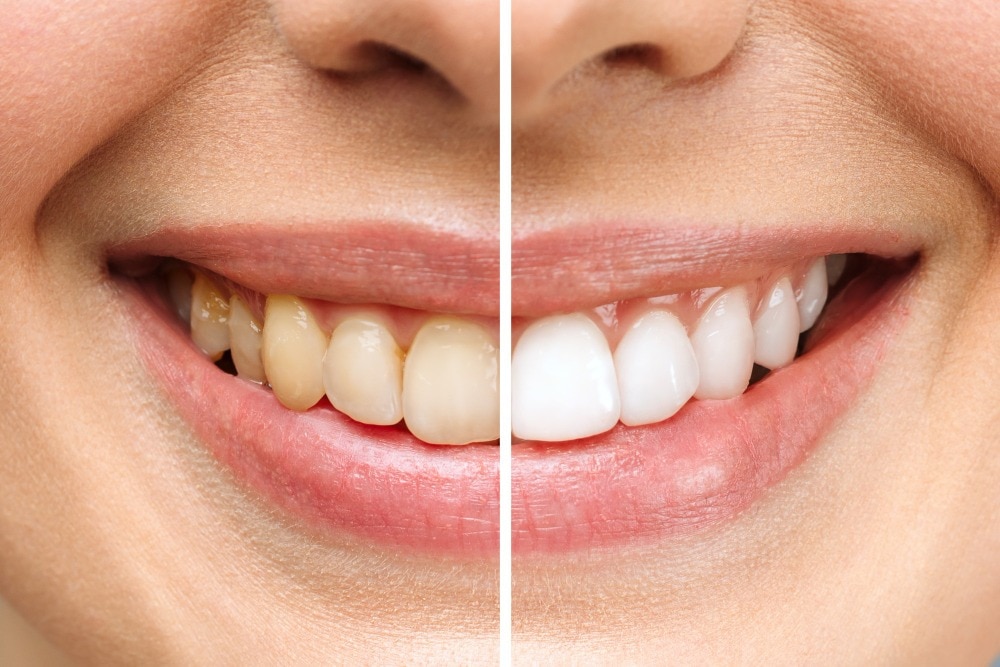
Judge the result against a recorded baseline, not a mirror impression. Ask for a shade-guide reading and photographs taken before and after treatment under the same lighting; a brighter-looking room can make teeth appear whiter without any real change.
| Option | Most predictable result | Main limitation |
|---|---|---|
| Cleaning and polishing | Removes plaque, calculus and surface stains | Does not change intrinsic tooth colour |
| In-clinic whitening | Faster change in suitable natural teeth | Sensitivity and uneven response can occur |
| Supervised take-home trays | Gradual improvement with maintenance control | Requires consistent wear and gel handling |
Coffee, tea and tobacco stains usually respond more evenly than fluorosis, tetracycline staining, trauma-darkened teeth or age-related dentine changes. Fillings, crowns and veneers do not whiten, so a natural tooth can become lighter than an existing restoration.
Sensitivity, gum irritation and temporary white patches on the gums are the main short-term concerns. Unregulated bleaching can cause chemical burns; repeated or prolonged applications can worsen sensitivity. Whitening also fades as staining foods, drinks and tobacco continue.
Ask a smile whitening clinic in Dombivli these questions before agreeing:
- Will you examine cavities, cracks, leaking fillings, gum inflammation and exposed roots first?
- What peroxide product, concentration, wear time and gum-isolation method will you use?
- How will you record the starting shade and manage sensitivity?
- What result is realistic for my restorations or intrinsic stains?
- Is light activation necessary, and what evidence supports its added benefit?
A teeth whitening dentist in Dombivli should recommend cleaning or treatment first when deposits or disease could make the result painful or uneven. At Dr. Sunil Shahane Dental Clinic, use these questions to compare the proposed plan rather than choosing a provider by advertised peroxide strength alone.
Related services
Teeth Whitening Treatment Dr. Pooja Ganu-Agnihotri in Dombivli offers professional Teeth Whitening Treatment to safely enhance the brightness and appearance of stained or... View service → |
Cleaning and Polishing Treatment Cleaning and Polishing Treatment Dr. Pooja Ganu-Agnihotri in Dombivli offers professional Cleaning and Polishing Treatment to help maintain healthy teeth and gums. View service → |
Frequently asked questions
Which professional whitening option matches my smile goal?
Choose in-clinic whitening for faster results, custom take-home trays for gradual change, and cleaning when deposits cause the dull appearance.
What should a dentist check before whitening?
The dentist should check for decay, cracked teeth, gum disease, worn enamel, fillings, crowns, and existing sensitivity before treatment.
What happens during in-clinic whitening?
The dentist protects your gums and soft tissues, applies whitening gel to the teeth, and controls the treatment time before assessing the result.
How does dentist-supervised take-home whitening work?
The dentist provides custom trays and instructions for applying whitening gel at home for a controlled period over multiple sessions.
How should I judge a whitening result and choose a safe provider?
Judge the result against your starting shade and check for even colour, manageable sensitivity, clear treatment instructions, and a dental examination before whitening.
Keywords