Wisdom teeth are the last set of molars to develop, usually appearing between the ages of 17 and 25. While some people experience no problems when these teeth erupt, many others develop issues because there is not enough space in the jaw to accommodate them properly.
Wisdom tooth removal is one of the most common oral surgical procedures, but it is not automatically required for everyone. Understanding when removal becomes necessary and what the procedure involves can help reduce anxiety and support informed decision-making.
What Are Wisdom Teeth?
Wisdom teeth are the third molars located at the back of the upper and lower jaws.
Most adults have four wisdom teeth, although some may have fewer or none at all.
When sufficient space is available and the teeth erupt normally, they may function like other molars. However, lack of space often causes them to become impacted or partially erupted, increasing the risk of dental problems.
When Is Wisdom Tooth Removal Recommended?
A dentist or oral surgeon may recommend removal if wisdom teeth cause existing problems or are likely to create complications in the future.
Common reasons include:
- Persistent pain
- Swelling around the gums
- Repeated infections
- Tooth decay affecting the wisdom tooth
- Damage to neighboring teeth
- Impacted wisdom teeth
- Difficulty cleaning the area
- Development of cysts in rare cases
Not every wisdom tooth requires extraction. The decision depends on clinical examination and diagnostic imaging.
Signs That Should Not Be Ignored
Certain symptoms indicate that professional evaluation is necessary.
These include:
- Pain at the back of the mouth
- Difficulty opening the mouth fully
- Swollen or bleeding gums
- Bad breath that persists
- Food getting trapped behind the last molar
- Jaw discomfort while chewing
Early assessment helps prevent more serious complications.
How Is the Procedure Performed?
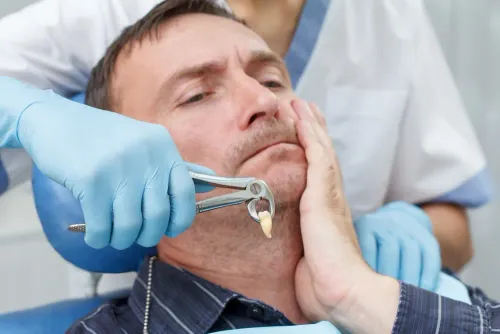
The complexity of wisdom tooth removal depends on the position of the tooth.
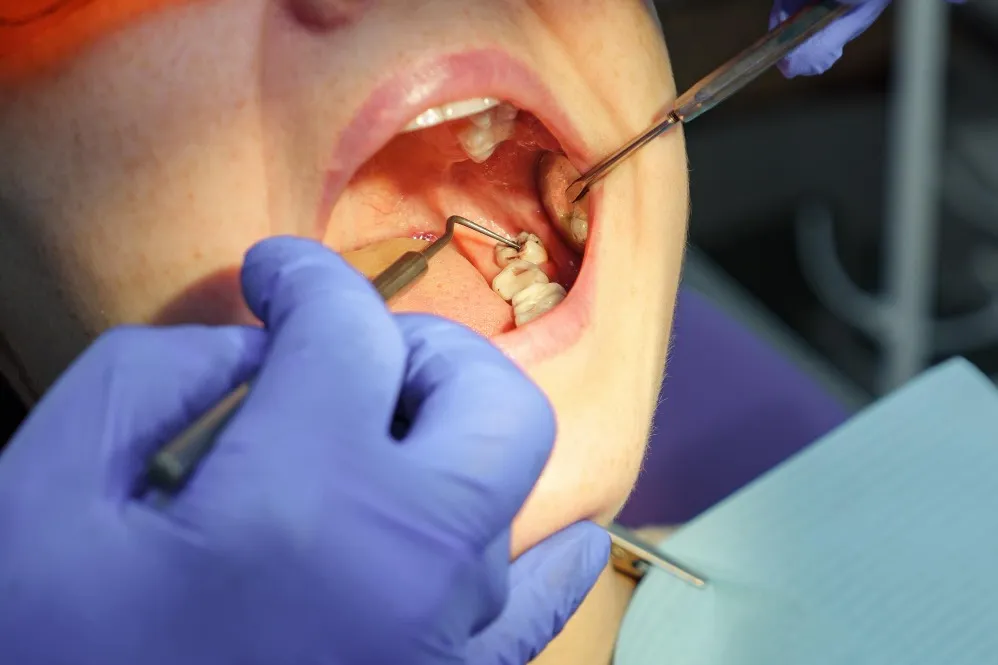
After evaluating digital X-rays, the dentist determines whether the tooth is fully erupted, partially impacted, or completely impacted within the jawbone.
The procedure is usually performed under local anesthesia. If necessary, the dentist creates a small opening in the gum to access the tooth. In some cases, the tooth may be divided into smaller sections to allow easier removal while minimizing stress on surrounding bone.
Once the tooth is removed, the area is cleaned and allowed to heal.
Recovery After Wisdom Tooth Extraction
Most patients recover comfortably by following post-operative instructions.
During the first few days, dentists generally recommend:
- Applying cold compresses to reduce swelling
- Eating soft foods
- Avoiding smoking and alcohol
- Keeping the extraction site clean
- Taking prescribed medications as directed
- Avoiding vigorous rinsing immediately after surgery
Following these instructions supports proper healing and reduces the risk of complications such as dry socket.
Can Wisdom Teeth Be Left Untreated?
If wisdom teeth are healthy, fully erupted, properly positioned, and easy to clean, they may not require removal.
However, impacted or partially erupted wisdom teeth can create long-term problems by trapping bacteria and food debris around the surrounding gums.
Regular dental monitoring helps determine whether observation or extraction is the better approach.
The Role of Digital Diagnosis
Modern dentistry uses digital imaging to improve treatment planning.
Digital radiographs help evaluate:
- Tooth position
- Root shape
- Bone support
- Relationship to nearby nerves
- Potential surgical complexity
This information enables safer and more predictable treatment planning.
Patients from Dombivli, Kalyan, Thane, Titwala, Ambarnath, Badlapur, and surrounding regions increasingly benefit from early wisdom tooth evaluations before symptoms become severe.
Dr. Sunil Shahane Dental Clinic uses detailed clinical examinations and digital diagnostics to determine whether wisdom tooth removal is necessary for each patient. Treatment recommendations are based on the position of the tooth, current symptoms, and the potential for future complications.
Wisdom tooth removal is not always required, but timely evaluation is essential. Identifying potential problems early allows appropriate treatment planning, helping patients protect their oral health while minimizing discomfort and future dental complications.
Keywords