Toothache alone cannot tell you whether a tooth needs extraction: a filling, crown, or root-canal treatment may preserve it when enough healthy structure and supporting bone remain. You will learn which examination findings guide that choice, when pain demands same-day care, and how to prepare for treatment and recovery.
Key takeaways
- Severe pain alone does not mean extraction is necessary.
- Ask whether X-rays show enough sound tooth structure for restoration.
- Seek urgent dental care for swelling, fever, uncontrolled bleeding, or breathing difficulty.
- Protect the socket by following aftercare instructions and avoiding smoking during healing.
Which examination findings show that a tooth can be saved?
Severe pain alone does not justify extraction. A tooth can remain suitable for a filling, crown, or root-canal treatment when enough sound structure remains and the surrounding bone and gum support are adequate. A general dentistry Titwala assessment must examine the tooth, gums, mobility, infection, and dental X-rays before deciding.
| Finding | Supports saving the tooth | Raises concern for extraction |
|---|---|---|
| Remaining structure | Enough sound tooth remains to hold a filling or crown | Too little structure remains for a predictable restoration |
| Crack or decay | Crack stays above the gum; decay is accessible | Crack extends below the gum or decay cannot be sealed |
| Pulp and infection | Inflamed or dead pulp can be cleaned and sealed with root-canal treatment | Infection cannot be predictably treated or is spreading |
| Periodontal support | Firm tooth with adequate bone support | Advanced bone loss or marked mobility |
| X-ray | Root, bone, and surrounding tissues offer a treatable outlook | Extensive fracture, bone destruction, or another non-restorable finding |
A strategically important tooth can justify an endodontist’s or periodontist’s opinion before removal. This matters in general dentistry tooth extraction for Titwala because extraction creates a replacement decision, not simply an end to pain.
Ask:
- How much healthy tooth remains?
- Is the crack above or below the gum?
- Can the tooth support a crown?
- Is the infection confined to the tooth or spreading?
- What does the X-ray show?
What is the difference between a filling, crown, root canal, and extraction?
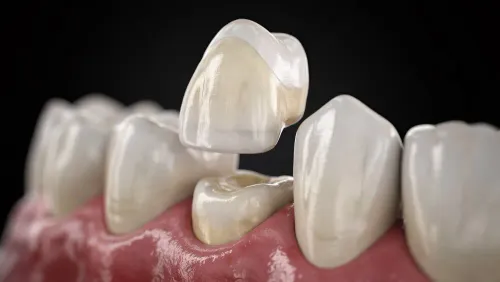
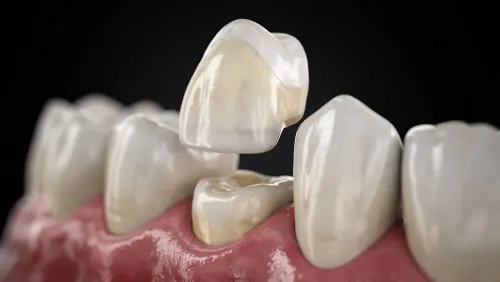
Pain does not decide the treatment; the amount of healthy tooth left does. A filling repairs a small damaged area, while a crown protects a weakened tooth that still has enough structure to hold it. Root-canal treatment preserves the tooth, but extraction removes it and creates a replacement decision.
| Option | What it removes or preserves | What follows |
|---|---|---|
| Filling | Removes decay and preserves the remaining natural tooth | Limited restoration of the damaged area |
| Crown | Removes little tooth structure and covers the weakened tooth | Protection and ongoing maintenance |
| Root canal | Removes inflamed or infected pulp, then cleans and seals the canal | A filling or crown restores and protects the tooth |
| Extraction | Removes the entire tooth | Healing, then possible implant, bridge, or removable partial denture |
Compare the complete sequence, not just the appointment length. Root-canal treatment requires a final restoration and later maintenance; extraction requires socket healing, possible bone and bite changes, and replacement planning. Neighbouring teeth can drift, opposing teeth can over-erupt, and chewing can change.
An abscess needs treatment that removes or drains its source through drainage, root-canal treatment, or extraction. Antibiotics alone do not repair dead pulp, although a dentist may prescribe them when infection is spreading or systemic symptoms occur.
Not every wisdom tooth needs removal. Recurrent infection, non-restorable decay, damage to the adjacent tooth, a cyst, or other pathology can change the decision. If you are comparing tooth extraction Titwala options, ask whether saving the tooth is predictable. General dentistry Titwala care should begin with examination and appropriate X-rays, not pain severity alone.
When is tooth pain a dental emergency in Titwala?
Seek same-day dental assessment for uncontrolled bleeding, facial swelling, fever, severe pain with swelling, dental trauma, or a knocked-out permanent tooth. These are dental emergencies in Titwala, not problems to postpone for a routine check-up.
- Go to an emergency dentist in Titwala for urgent dental assessment when bleeding does not stop with firm pressure, swelling appears, fever accompanies tooth pain, or an injury damages or dislodges a tooth.
- Seek emergency medical care immediately, rather than waiting for a dental appointment, if facial or neck swelling is spreading, breathing or swallowing is difficult, you cannot open your mouth properly, you feel severely unwell, or swelling reaches the eye.
- Arrange a prompt scheduled visit when pain occurs without swelling, fever, trauma, or uncontrolled bleeding. Pain still needs diagnosis; extraction is not automatically the answer.
Before reaching care, rinse gently with clean water, press gauze over bleeding, and apply a cold compress outside the face. Hold a knocked-out permanent tooth by the crown, never the root. If you cannot immediately place it back in its socket, keep it in milk or tooth-preservation solution.
Do not replant a baby tooth, and never put aspirin on the gum. A tooth extraction in Titwala should follow an examination, because some painful teeth remain treatable with a filling, crown, or root canal.
What happens during a simple or surgical extraction?
At a tooth extraction appointment, the clinician first reviews conditions and medicines that affect bleeding, healing, or infection risk. Tell them about anticoagulants, antiresorptive drugs, diabetes, immune suppression, and previous radiation to your jaw. Never stop a prescribed blood thinner without coordination between the dentist and the prescribing physician.
- The clinician examines the tooth and reviews appropriate X-rays, then explains whether preservation or removal is safer.
- Local anaesthetic numbs the area. You remain awake but should feel pressure, not sharp pain.
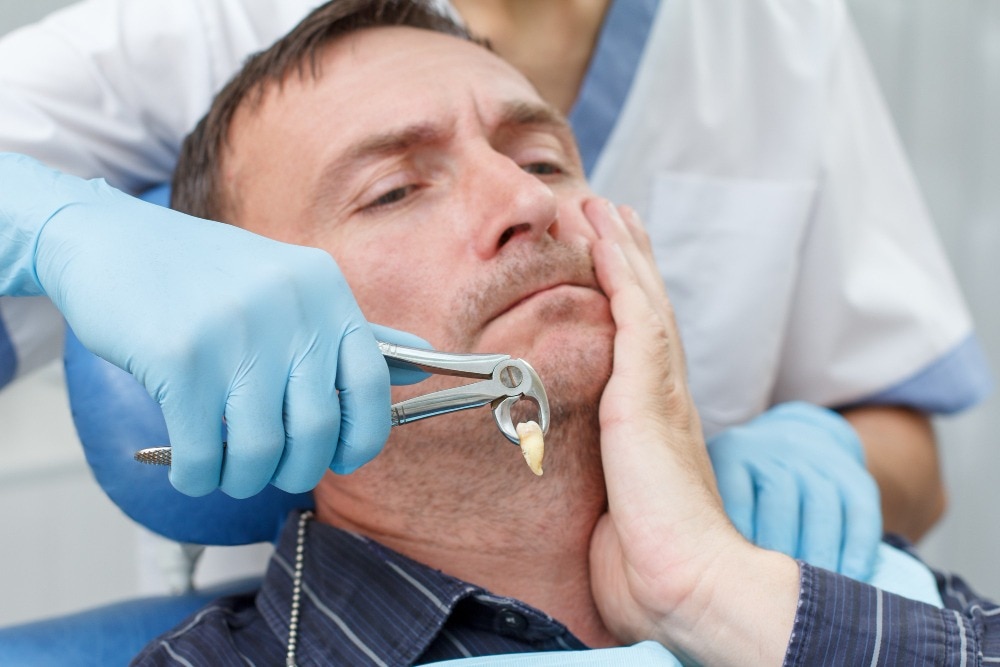
- For a simple extraction, instruments loosen and remove the visible tooth. The socket is inspected, and gauze pressure helps control bleeding.
- For a surgical extraction, the clinician may open the gum, remove a small amount of bone, or divide the tooth into pieces. This approach is used for an impacted tooth, a tooth broken below the gum, or difficult access, including some wisdom tooth removals in Titwala.
Pregnancy is not a reason to delay necessary diagnosis or treatment. Tell the clinician you are pregnant so radiographs, anaesthesia, and medicines can be selected appropriately; coordinate with your obstetric clinician when relevant.
If you are comparing tooth extraction Titwala options or searching for general dentistry tooth extraction for Titwala, Dr. Sunil Shahane Dental Clinic in Dombivli can help assess whether the tooth is restorable before removal and discuss replacement planning when extraction is necessary.
Related services
Extraction Treatment Dr. Pooja Ganu-Agnihotri in Dombivli provides safe and comfortable tooth extraction treatment when a tooth cannot be preserved due to severe decay,... View service → |
Wisdom Tooth Extraction Dr. Pooja Ganu-Agnihotri in Dombivli offers expert Wisdom Tooth Extraction services to address pain, infection, swelling, crowding, and other... View service → |
How should you protect the socket and prevent another extraction decision?
The blood clot in the socket protects the underlying bone and starts healing. Soon after tooth extraction, avoid vigorous rinsing, spitting, smoking, and touching the area. Follow your treating dentist’s exact instructions about alcohol, exercise, and mouth rinsing; restrictions vary with the procedure and your health.
- Keep gauze in place for the instructed time and avoid disturbing the socket. Contact the dentist if bleeding remains uncontrolled.
- Ask before taking pain medicine. Ibuprofen, alone or with acetaminophen, is first-line for many adults, but ulcers, kidney disease, anticoagulants, pregnancy, allergy, and other conditions require individual advice.
- Report worsening pain several days later, especially pain that radiates toward the ear or comes with an unpleasant taste or odour. These signs can indicate dry socket and need assessment.
Discuss replacement timing before extraction. Neighbouring teeth can drift or tip into the space, opposing teeth can over-erupt, chewing can change, and the jaw ridge can lose volume. An implant, bridge, or removable denture may require planning before the tooth is removed.
Follow-up in general dentistry Titwala can identify healing problems and protect remaining teeth; a tooth extraction Titwala appointment should include this discussion rather than treating removal as the end of care.
Reduce future extraction risk with fluoride toothpaste twice daily, cleaning between teeth, fewer frequent free-sugar exposures, and dental reviews based on your decay and gum-disease risk.
Frequently asked questions
Which examination findings show that a tooth can be saved?
A tooth is more likely to be saved when enough sound structure remains and the gums, supporting bone, and tooth stability are adequate. The dentist also checks infection, mobility, and dental X-rays.
What is the difference between a filling, crown, root canal, and extraction?
A filling repairs a smaller area of lost tooth structure. A crown covers and strengthens a heavily damaged tooth. Root-canal treatment removes infected pulp before the tooth is sealed and restored. Extraction removes the tooth when it cannot be predictably repaired or supported.
When is tooth pain a dental emergency in Titwala?
Seek urgent care for facial or gum swelling, fever, difficulty breathing or swallowing, uncontrolled bleeding, facial injury, or severe pain with signs of infection. Contact an emergency dentist in Titwala promptly rather than waiting for symptoms to worsen.
What happens during a simple or surgical extraction?
A simple extraction removes a visible tooth after local anaesthetic. A surgical extraction involves opening the gum or dividing the tooth when it is broken, impacted, or difficult to access. The dentist then controls bleeding and gives socket-care instructions.
How should you protect the socket after extraction?
Bite on the gauze for the instructed time, avoid smoking and forceful rinsing, choose soft foods, and keep activity light initially. Contact the dentist for worsening pain, persistent bleeding, fever, or increasing swelling.
Related services
Root Canal Treatment Dr. Pooja Ganu-Agnihotri in Dombivli provides advanced Root Canal Treatment (RCT) to save severely decayed, infected, or damaged teeth while... View service → |
Single Tooth Implant A single tooth implant is a long-lasting and natural-looking solution for replacing a missing tooth. Dr. View service → |
Restoration and Fillings Dr. Pooja Ganu-Agnihotri in Dombivli offers high-quality dental restorations and tooth-colored fillings to repair teeth affected by decay, fractures,... View service → |
Crown and Bridge Treatment Dr. Pooja Ganu-Agnihotri in Dombivli provides high-quality Crown and Bridge Treatment to restore damaged, weakened, or missing teeth. View service → |
Keywords