Persistent toothache, lingering sensitivity, or swelling may indicate inflammation or infection inside a tooth. In such cases, painkillers may provide temporary relief but cannot remove infected tissue from within the root canal system.
Root Canal Treatment in Ambarnath is performed to clean and seal the inside of an affected tooth so that, where clinically possible, the natural tooth can remain functional.
Why a Tooth May Need Root Canal Care
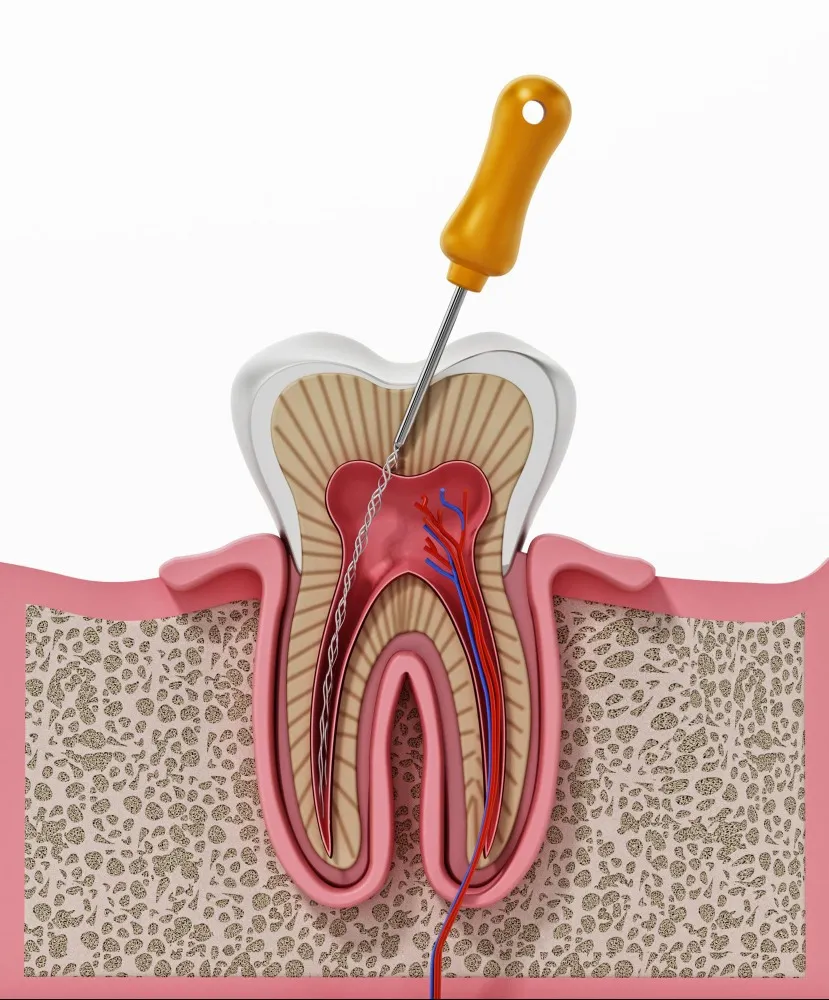
Each tooth contains an inner space holding dental pulp, which includes nerves and blood vessels. Deep decay, cracks, trauma, repeated dental procedures, or a leaking restoration can allow bacteria to reach this tissue.
Symptoms may include:
- Pain while chewing
- Prolonged sensitivity to hot or cold
- Spontaneous throbbing pain
- Swelling near the tooth
- A pimple-like spot on the gum
- Darkening of the tooth
- Tenderness when the tooth is touched
- Facial swelling in more advanced cases
Some infected teeth cause few noticeable symptoms. This is why examination and dental imaging are important.
Root Canal Treatment and Extraction
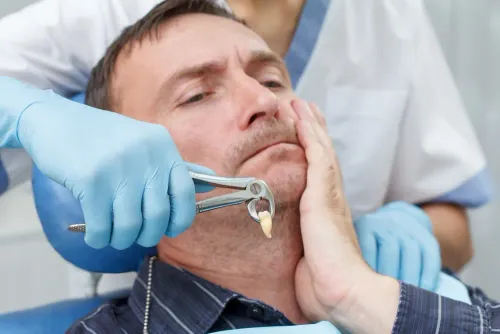
Root canal treatment attempts to retain the tooth. Extraction removes it completely.
Saving a restorable natural tooth can help maintain chewing, appearance, and alignment. However, root canal treatment may not be appropriate if the tooth has a deep vertical fracture, inadequate remaining structure, severe supporting-bone loss, or damage that cannot be restored predictably.
If extraction is necessary, replacement options may include an implant, bridge, or removable prosthesis. The relative costs, treatment time, and maintenance requirements should be discussed before deciding.
What Happens During the Procedure
After examination and X-rays, the area is numbed with local anaesthesia. The dentist creates access to the internal canal system, removes inflamed or infected tissue, cleans and shapes the canals, and uses disinfecting solutions to reduce microorganisms.
The canals are then filled and sealed. Depending on the condition of the tooth, treatment may be completed in one or more appointments.
A temporary filling may be placed between visits. Patients should avoid chewing hard foods on that tooth until the permanent restoration is completed.
Why a Crown May Be Recommended
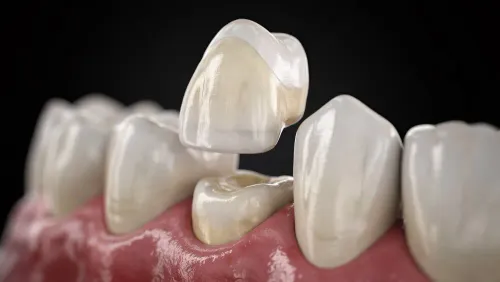
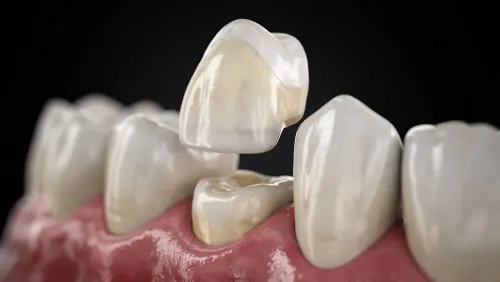
Back teeth can lose considerable strength because of decay, previous fillings, and the access required for treatment. A crown or another protective restoration may be recommended to reduce the risk of fracture.
Root canal treatment addresses the internal infection; the final restoration protects the remaining tooth structure and restores chewing function. Delaying this stage can leave the tooth vulnerable even when the pain has stopped.
Is the Procedure Painful?
Modern local anaesthesia is used to keep the procedure comfortable. A tooth with severe inflammation can occasionally be more difficult to numb, but the dentist can modify the anaesthetic approach.
Mild tenderness after treatment can occur, particularly when there was infection around the root. Increasing pain, swelling, fever, or difficulty opening the mouth requires prompt dental attention.
Mistakes That Can Affect the Outcome
Patients can support treatment by avoiding several common mistakes:
- Delaying care after swelling begins
- Stopping prescribed medicines without advice
- Chewing hard food on a temporary filling
- Missing the appointment for the final restoration
- Assuming the tooth no longer needs cleaning
- Ignoring new pain or a change in the bite
A root-treated tooth still requires brushing, interdental cleaning, and regular examinations. Decay and gum disease can develop around it like any other tooth.
When to Seek Urgent Help
Facial swelling, fever, difficulty swallowing, difficulty breathing, or rapidly worsening symptoms should not be treated as a routine toothache. These signs need urgent professional assessment.
Dr. Sunil Shahane Dental Clinic evaluates painful and damaged teeth to determine whether root canal care, another restorative procedure, or extraction is appropriate. Diagnosis should come before any promise that a tooth can definitely be saved.
Timely treatment can prevent discomfort from becoming more disruptive and may preserve a tooth that would otherwise deteriorate further.
Keywords