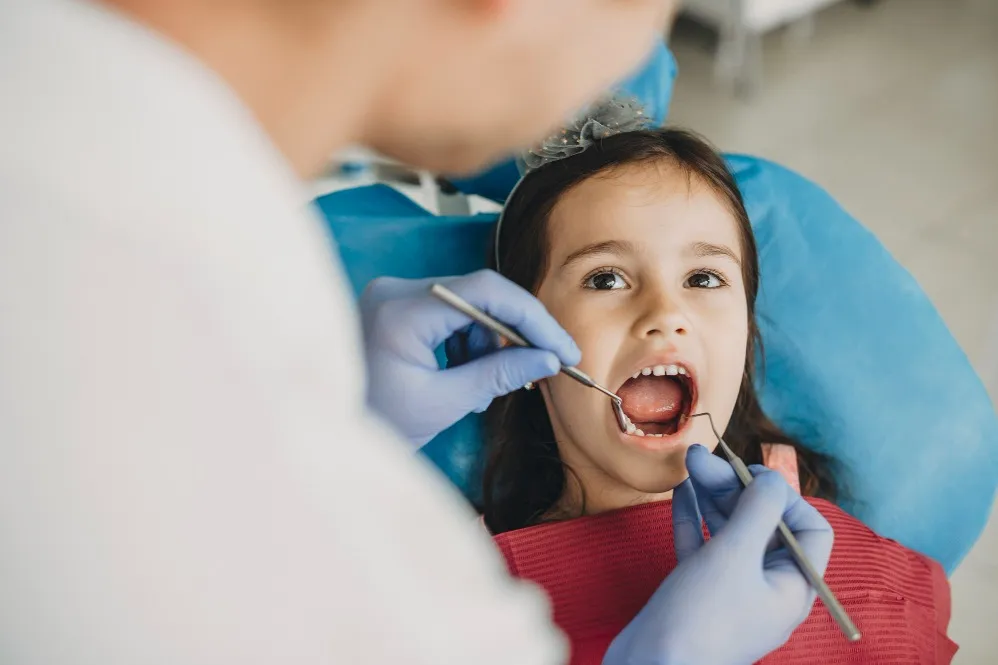
A child’s first experiences at the dentist can influence how comfortable they feel about oral healthcare for years. Waiting until severe toothache develops often makes the first appointment more difficult because the child may already be tired, frightened, or in pain.
Visiting a Pediatric Dentist in Kalyan early allows parents to learn about brushing, diet, tooth development, and cavity prevention before urgent treatment becomes necessary.
Baby Teeth Need Proper Care
Primary teeth eventually fall out, but they serve important purposes while they are present. They help children chew, speak clearly, and maintain space for developing permanent teeth.
Untreated decay in a baby tooth can cause pain, infection, disturbed sleep, difficulty eating, and missed school. Infection may also complicate the care of nearby tissues.
A tooth should therefore not be ignored simply because it will be replaced later.
Preparing Your Child for the Appointment
Parents can make the visit easier with a few simple steps:
- Describe the dentist as someone who helps keep teeth healthy
- Use calm, neutral language
- Avoid discussing injections or painful past experiences
- Schedule the visit when the child is usually rested
- Bring relevant medical information
- Avoid promising that “nothing will happen”
- Let the dental team explain instruments in child-friendly terms
Statements such as “Don’t be scared” can unintentionally suggest that there is something to fear. A simple explanation “The dentist will count and check your teeth” is often more helpful.
What Happens During an Early Visit
The first appointment may include:
- Reviewing medical and dental history
- Examining teeth and gums
- Checking tooth eruption and bite development
- Assessing brushing and dietary habits
- Discussing thumb-sucking or pacifier use
- Recommending preventive care
- Planning treatment if a problem is found
The extent of the examination depends on the child’s age, comfort, and immediate needs. Some children cooperate fully during the first visit, while others need gradual familiarisation.
Preventing Childhood Cavities
Cavity prevention involves more than avoiding sweets. Frequency matters because repeated exposure to sugary or refined carbohydrate foods gives oral bacteria more opportunities to produce acids.
Useful habits include:
- Brush twice daily with age-appropriate fluoride toothpaste.
- Supervise brushing until the child can clean effectively.
- Limit frequent sipping of sweetened drinks.
- Avoid sending a child to sleep with a bottle containing milk or sweet drinks.
- Encourage plain water between meals.
- Arrange dental reviews at intervals recommended for the child.
- Ask whether fluoride treatment or sealants are appropriate.
Parents should also check packaged foods for hidden sugars and sticky textures that remain around teeth.
When a Child Needs Prompt Assessment
Arrange a dental visit if the child has:
- Toothache
- Facial or gum swelling
- A broken tooth
- Bleeding after an injury
- Darkening of a tooth after trauma
- Sensitivity while eating
- Visible holes or white-brown spots
- Difficulty opening the mouth
Facial swelling, fever, trouble swallowing, or breathing difficulty needs urgent professional attention.
If a permanent tooth is knocked out, immediate dental advice is important. A knocked-out baby tooth should not be pushed back into the socket because this could affect the developing permanent tooth.
Helping an Anxious Child
Behaviour guidance may include explaining procedures in simple language, demonstrating safe instruments, offering breaks, and completing care in manageable stages.
Restraint, sedation, or general anaesthesia is not automatically required for every anxious child. If advanced behaviour or pain-control support is considered, parents should receive a clear explanation of the need, benefits, risks, and alternatives.
Dr. Sunil Shahane Dental Clinic provides family-oriented dental assessment and can guide parents on preventive and restorative options for children. Families seeking a Pediatric Dentist in Kalyan should look for patient communication, preventive planning, and age-appropriate care.
The goal of an early dental visit is not simply to find cavities. It is to help the child and parents build routines that support healthy teeth through every stage of development.
Keywords