For many people, the words root canal treatment immediately bring thoughts of pain and discomfort. This perception often comes from stories shared years ago, when dental technology and anesthesia were far less advanced. Today, modern dentistry has transformed root canal procedures into treatments that are designed to relieve pain rather than cause it.
If you have been delaying treatment because of fear, understanding how painless root canal treatment works can help you make a more informed decision and protect your natural tooth before the problem becomes more serious.
What Is a Root Canal Treatment?
A root canal treatment is performed when the soft tissue inside a tooth, known as the dental pulp, becomes infected or inflamed. This may happen because of deep tooth decay, repeated dental procedures, cracks in the tooth, or an injury.
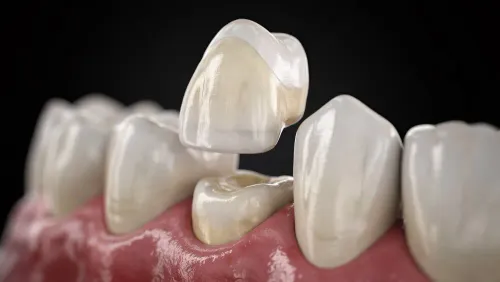
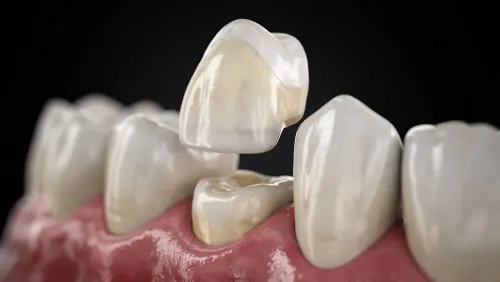
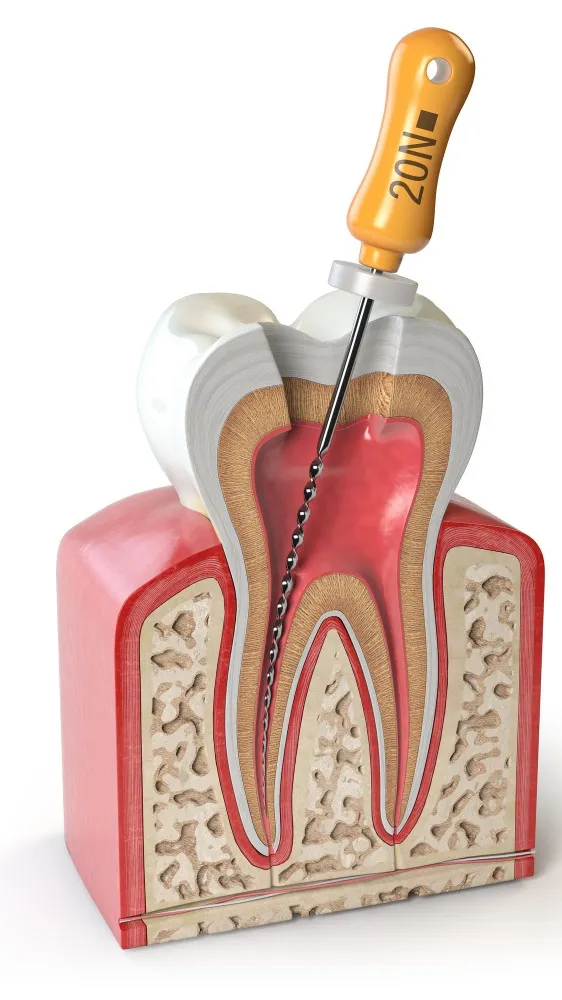
The treatment involves carefully removing the infected pulp, cleaning and disinfecting the inside of the tooth, and sealing it to prevent future infection. In many cases, the treated tooth is later protected with a dental crown to restore its strength.
The primary goal is to save the natural tooth instead of removing it.
Signs You May Need a Root Canal
Not every toothache requires root canal treatment, but certain symptoms should never be ignored.
Common signs include:
- Persistent tooth pain
- Sensitivity to hot or cold that lingers
- Pain while chewing
- Swollen or tender gums
- Darkening of the affected tooth
- A recurring pimple or swelling on the gums
- Severe tooth sensitivity without an obvious cause
Sometimes, an infected tooth may not cause noticeable pain until the infection has progressed significantly. This is why routine dental check-ups remain important.
Is Root Canal Treatment Really Painless?
Modern root canal treatment is usually performed using effective local anesthesia, allowing the affected area to become numb before treatment begins.
Most patients describe the experience as being similar to having a routine dental filling rather than undergoing a painful procedure.
Modern advancements have significantly improved patient comfort through:
- Improved local anesthesia techniques
- Rotary endodontic instruments
- Digital imaging
- Better infection control
- More precise cleaning methods
While mild soreness after treatment is normal, it is generally manageable with medication recommended by the dentist.
Why Delaying Treatment Can Be Risky
Ignoring an infected tooth rarely makes the problem disappear.
Without treatment, the infection may spread beyond the tooth and affect surrounding tissues, leading to:
- Severe pain
- Dental abscess formation
- Swelling
- Bone damage around the tooth
- Increased difficulty in saving the tooth
In advanced cases, tooth extraction may become the only practical option.
Seeking timely treatment often helps preserve the natural tooth while preventing more extensive procedures later.
What Happens During the Procedure?
Although every case is different, root canal treatment generally follows a structured process.
The dentist first examines the tooth using clinical evaluation and digital X-rays.
After administering local anesthesia, a small opening is created in the tooth to access the infected pulp. Specialized instruments are used to clean and shape the root canals before disinfecting the area thoroughly.
Once cleaned, the canals are sealed with a biocompatible material to prevent reinfection. Depending on the amount of remaining tooth structure, a crown may be recommended to strengthen and protect the tooth.
Caring for a Tooth After Root Canal Treatment
Recovery is usually straightforward when patients follow their dentist's advice.
Helpful aftercare practices include:
- Avoid chewing hard foods on the treated tooth until restoration is complete.
- Brush and floss normally while being gentle around the treated area.
- Attend scheduled follow-up appointments.
- Get the recommended crown placed without unnecessary delay.
- Continue routine dental check-ups.
A properly restored root canal-treated tooth can function successfully for many years.
Modern Technology Makes Treatment More Comfortable
Advances in digital dentistry have improved both diagnosis and treatment accuracy.
Digital radiographs allow dentists to evaluate the tooth more precisely, while rotary instruments help clean root canals efficiently and consistently. These improvements often reduce treatment time while supporting better long-term outcomes.
Patients in Dombivli, Kalyan, Thane, Titwala, Ambarnath, and Badlapur increasingly seek dental practices that combine experienced clinical care with modern technology to make treatments more comfortable.
Dr. Sunil Shahane Dental Clinic uses contemporary diagnostic techniques and modern endodontic procedures to plan root canal treatments based on each patient's individual needs. The emphasis remains on preserving natural teeth whenever possible while ensuring patient comfort throughout the procedure.
A root canal should not be feared as a painful experience. In modern dentistry, it is one of the most effective ways to eliminate infection, relieve discomfort, and save a natural tooth that might otherwise be lost.
Keywords