When several teeth are missing, broken, decayed, loose, or severely worn, treating one tooth at a time may not address the complete problem. The position of every tooth affects chewing balance, jaw comfort, speech, and the way the smile appears.
Full Mouth Rehabilitation in Thane is a personalised treatment process that rebuilds oral function across most or all of the mouth. It may combine restorative, periodontal, implant, endodontic, and cosmetic procedures within one coordinated plan.
When Full Mouth Rehabilitation May Be Needed
This treatment is not limited to people who have lost all their teeth. It may be considered when a patient has a combination of problems such as:
- Multiple missing teeth
- Severely worn or shortened teeth
- Broken crowns or repeated filling failures
- Advanced tooth decay
- Gum disease and mobile teeth
- Difficulty chewing
- An uneven or collapsed bite
- Old dental work that no longer functions properly
- Tooth damage caused by grinding
- Facial or dental trauma
Some patients adapt to these issues gradually and do not realise how much their bite has changed. A thorough assessment can identify which teeth are healthy, which need treatment, and which may not be restorable.
Rehabilitation Is a Plan, Not One Procedure
The term describes the overall treatment objective rather than a single technique. Depending on the diagnosis, rehabilitation may involve:
- Professional cleaning and gum treatment
- Fillings or inlays
- Root canal treatment
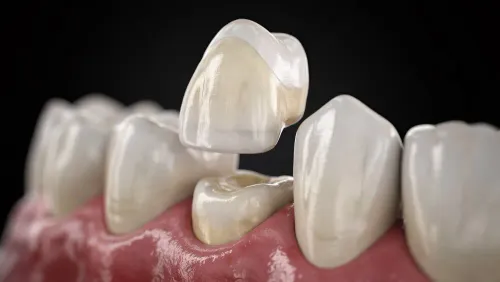
- Crowns and bridges
- Dental implants
- Partial or complete dentures
- Implant-supported teeth
- Bite correction
- Replacement of defective restorations
- Cosmetic reshaping where appropriate
Not every patient requires implants or a complete set of crowns. Preserving sound natural teeth is often an important part of the plan.
The Assessment Stage
A comprehensive evaluation may include photographs, X-rays, digital scans or impressions, gum measurements, bite records, and three-dimensional imaging when implants are being considered.
The dentist will also review general health, medicines, smoking, diabetes, previous dental experiences, and the patient’s expectations.
Patients should explain what bothers them most. Some prioritise chewing, while others are concerned about speech, appearance, pain, or unstable dentures. These priorities help determine the sequence of care.
Treatment Is Usually Completed in Phases
Complex rehabilitation is easier to understand when divided into stages.
The initial phase addresses urgent concerns such as pain, infection, broken teeth, or active gum disease. The stabilisation phase may include temporary restorations, extractions, or bite adjustments.
The restorative phase rebuilds or replaces the teeth using the agreed treatment options. Provisional teeth may be used to evaluate comfort, appearance, speech, and bite before the final restorations are completed.
The maintenance phase begins after treatment. It includes home care, professional cleaning, bite reviews, and monitoring of natural teeth and implants.
Comparing Common Replacement Options
A fixed bridge replaces missing teeth by using nearby teeth for support. It can be appropriate when the supporting teeth are strong or already need crowns.
Dental implants support crowns or bridges without relying on neighbouring natural teeth. However, they require adequate planning, healthy tissues, and ongoing maintenance.
Removable dentures can replace several or all missing teeth and may be suitable when surgery is not preferred or possible. Implant-supported dentures may improve stability in selected cases.
The correct option depends on bone, remaining teeth, budget, health, hygiene ability, and patient preference.
What Influences the Cost
There is no meaningful single price for full-mouth treatment because two patients may need completely different procedures. Cost is influenced by:
- Number of teeth being treated
- Type of restorations selected
- Need for gum or root canal treatment
- Number and type of implants
- Diagnostic imaging
- Temporary restorations
- Laboratory work
- Complexity of bite correction
Patients in Thane should request a written, phase-wise plan showing priorities, alternatives, and expected fees. This makes it easier to understand which treatments are essential and which are elective.
Signs of a Thoughtful Treatment Plan
A reliable plan should explain why each tooth is being retained, restored, or removed. It should also consider hygiene access and long-term maintenance rather than focusing only on appearance.
Dr. Sunil Shahane Dental Clinic evaluates the mouth as a connected system when planning extensive restorative care. Patients should be encouraged to ask questions and understand the sequence before beginning.
Full-mouth rehabilitation can be transformative, but it is rarely a quick cosmetic exercise. Its purpose is to create a maintainable balance between oral health, function, comfort, and appearance.
Keywords