Missing teeth can affect chewing, speech, facial appearance, and confidence. Although conventional dental implants are widely used for replacing teeth, they may not be suitable for every patient. People with severe jawbone loss, long-standing tooth loss, gum disease, or unsuccessful previous implant treatment may require a different approach.
Corticobasal implants are designed to obtain support from the stronger cortical areas of the jaw. Understanding how they work can help patients considering Corticobasal Implants in Dombivli have a more informed discussion with their implant dentist.
How Corticobasal Implants Work
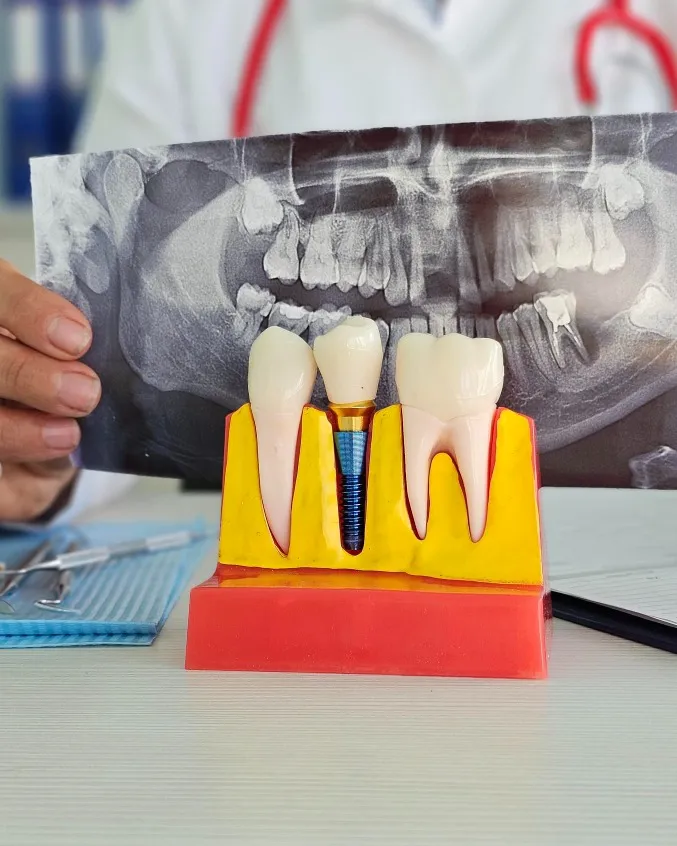
Conventional implants are generally placed within the spongy alveolar bone that once supported the natural teeth. When this bone has reduced significantly, bone grafting or sinus-related procedures may sometimes be considered before implant placement.
Corticobasal implants use strategic areas of dense cortical bone for anchorage. This bone is usually more stable and less prone to rapid resorption. The implant design and placement technique allow the dentist to distribute biting forces across suitable regions of the jaw.
This does not mean that every person with bone loss automatically qualifies. The number and position of implants must be planned according to the patient’s anatomy, bite, remaining teeth, and general health.
Who May Be Evaluated for This Treatment
A dentist may evaluate corticobasal implant options for patients who have:
- Multiple missing or severely damaged teeth
- Significant jawbone loss
- Difficulty wearing removable dentures
- Previously failed implant treatment
- Advanced gum-related tooth loss
- Limited bone in conventional implant sites
- A need for extensive fixed tooth replacement
Smokers and patients with diabetes, blood-pressure concerns, or other medical conditions require careful assessment. Their medical status, current medicines, oral hygiene, and healing capacity all influence treatment planning.
Why Detailed Diagnosis Matters
Corticobasal implant treatment should never be planned from a visual examination alone. A complete assessment may include dental and medical history, gum evaluation, bite analysis, radiographs, and three-dimensional imaging when indicated.
The dentist must determine:
- Which teeth can reasonably be retained
- Whether infection is present
- Where stable bone is available
- How biting forces will be distributed
- What type of fixed prosthesis may be suitable
- Whether the patient can maintain the restoration
Patients in Dombivli should ask to see their scans and understand why a particular implant position or prosthetic design has been recommended.
Treatment May Involve Immediate Function
Some corticobasal implant plans involve attaching a provisional fixed restoration within a relatively short period. This approach is often described as immediate loading.
Immediate loading does not mean the treatment is completed without biological healing. The implants still require protection from excessive or poorly distributed forces. Patients may need to follow dietary restrictions, maintain meticulous oral hygiene, and attend scheduled reviews.
The final design and timing depend on clinical stability rather than a universal promise of fixed teeth within a particular number of hours.
Benefits and Limitations to Discuss
Potential advantages may include using existing cortical bone, reducing the need for certain grafting procedures, and providing a fixed replacement option in appropriately selected cases.
Important limitations include:
- Technique-sensitive surgical planning
- Need for precise bite management
- Possible temporary dietary restrictions
- Regular maintenance requirements
- Suitability varying considerably between patients
- Repairs or adjustments being necessary over time
No implant is maintenance-free. Plaque can still accumulate around implant-supported teeth, and excessive bite forces may affect the restoration.
Questions to Ask During Consultation
Before proceeding, ask the dentist:
- Why are corticobasal implants recommended in my case?
- Are conventional implants, dentures, or bridges reasonable alternatives?
- Will any teeth need extraction?
- What imaging is required?
- What restoration will be fitted initially?
- How will complications or repairs be handled?
- What is included in the treatment estimate?
- How frequently will reviews be required?
Dr. Sunil Shahane Dental Clinic can assess patients seeking implant-based tooth replacement and explain whether this approach is clinically appropriate. A responsible recommendation should be based on examination and imaging rather than the desire for the fastest possible treatment.
Corticobasal implants can offer an alternative for selected patients with reduced bone support, but successful treatment depends on diagnosis, implant positioning, prosthetic planning, hygiene, and long-term follow-up. An individual consultation remains the appropriate first step.
Keywords