Losing one or more teeth can affect much more than your appearance. It can make eating uncomfortable, change the way you speak, and even lead to gradual bone loss in the jaw. Dental implants have become one of the most reliable solutions for replacing missing teeth, and advancements in implantology have introduced techniques that can help patients with challenging oral conditions. One such option is corticobasal dental implants.
Unlike conventional implant systems that rely mainly on the upper layer of jawbone, corticobasal dental implants are designed to engage the stronger basal bone. This part of the jaw is denser, more stable, and less likely to shrink over time. As a result, these implants are often considered for patients who have experienced significant bone loss and wish to avoid extensive bone grafting procedures.
What Are Corticobasal Dental Implants?
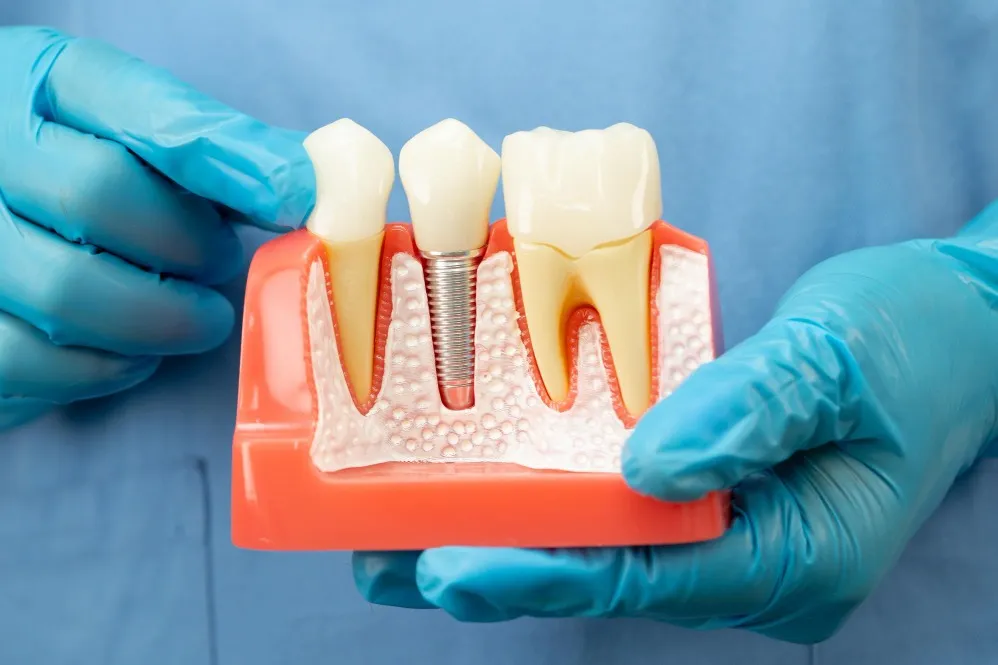
Corticobasal dental implants are a specialized type of implant that anchors into the cortical or basal bone of the jaw. Since this bone remains stable even after years of tooth loss, it provides excellent support for fixed dental restorations.
Traditional implants generally require sufficient bone volume. If adequate bone is not available, additional procedures such as bone grafting or sinus lifts may be necessary before implant placement. Corticobasal implants, on the other hand, are designed to make use of the existing dense bone, making them a suitable option for selected patients.
Who May Benefit from Corticobasal Dental Implants?
This treatment is often recommended after a detailed clinical examination and imaging assessment. It may be appropriate for people who:
- Have multiple missing teeth
- Have experienced severe jawbone loss
- Have been advised to undergo bone grafting but prefer an alternative if suitable
- Wear loose or uncomfortable dentures
- Want a fixed replacement for missing teeth
- Are looking for a solution that minimizes additional surgical procedures
Every patient's oral condition is unique, so eligibility depends on factors such as bone quality, general health, and long-term treatment goals.
How Are They Different from Conventional Dental Implants?
Both conventional and corticobasal implants aim to replace missing teeth permanently, but they differ in the way they achieve stability.
Conventional implants rely on the spongier upper bone and usually require a healing period before attaching the final restoration. Corticobasal implants engage the stronger cortical bone, which often allows for quicker functional loading in suitable cases.
Another significant difference is that many patients with reduced bone volume may be able to avoid additional grafting procedures, although this depends entirely on individual clinical findings.
Advantages of Corticobasal Dental Implants
Patients often appreciate several benefits associated with this implant system.
One of the biggest advantages is its ability to utilize existing dense jawbone without relying heavily on bone augmentation. This can reduce the overall treatment complexity for eligible patients.
Other potential benefits include:
- Strong primary stability
- Suitable for many cases involving bone loss
- Fixed replacement instead of removable dentures
- Improved chewing efficiency
- Better speech and confidence
- Long-term support when maintained properly
These advantages should always be evaluated alongside the patient's overall dental condition and oral hygiene habits.
Is the Procedure Painful?
Many people worry that implant surgery will be painful. In reality, the procedure is typically performed under local anesthesia, making it comfortable for most patients.
Some mild swelling or discomfort may occur after surgery, but these symptoms usually improve within a few days with prescribed medication and proper post-operative care. Following the dentist's instructions plays a major role in ensuring a smooth recovery.
How Long Do Corticobasal Implants Last?
Dental implants are designed as long-term tooth replacement solutions. Their longevity depends on several factors, including:
- Daily oral hygiene
- Regular dental check-ups
- Healthy lifestyle habits
- Proper bite alignment
- Overall medical health
With appropriate care and professional maintenance, implant-supported restorations can remain functional for many years.
Why Proper Diagnosis Matters
Not every patient with missing teeth requires corticobasal implants. A comprehensive examination is essential before deciding on the most suitable treatment.
Modern dental practices use digital imaging, including CBCT scans, to evaluate bone quality, bone density, nerve location, and overall oral health. This detailed planning helps determine whether corticobasal implants, conventional implants, or another restorative option would provide the best outcome.
Patients from Dombivli, Kalyan, Thane, Badlapur, Titwala, and nearby parts of Maharashtra increasingly seek implant consultations to understand which treatment aligns with their needs rather than choosing a solution based solely on popularity.
Dr. Sunil Shahane Dental Clinic follows a personalized approach by carefully assessing each patient's oral condition before recommending implant options. The emphasis is on selecting a treatment plan that supports long-term oral function, comfort, and aesthetics rather than applying the same solution to every case.
Choosing the right implant system starts with understanding your oral health. A detailed consultation, accurate diagnosis, and customized treatment plan remain the foundation of successful dental implant therapy.
Keywords