Clear aligners have made orthodontic care more discreet, but appearance is only one factor in choosing a tooth-straightening method. Treatment effectiveness depends on the type of tooth movement required, patient cooperation, oral health, and the skill involved in planning and monitoring the case.
Patients comparing braces with Clear Aligners Treatment in Titwala should understand how both options work before deciding which fits their clinical needs and lifestyle.
How Clear Aligners Move Teeth
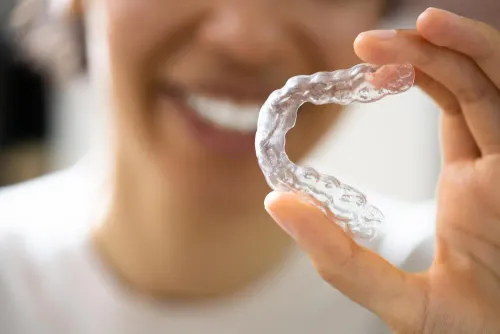
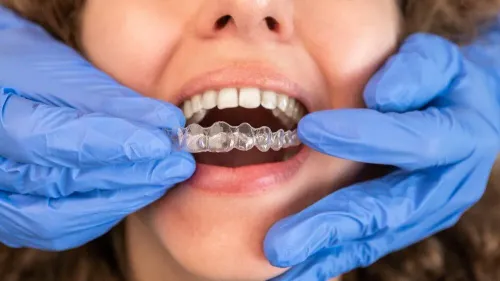
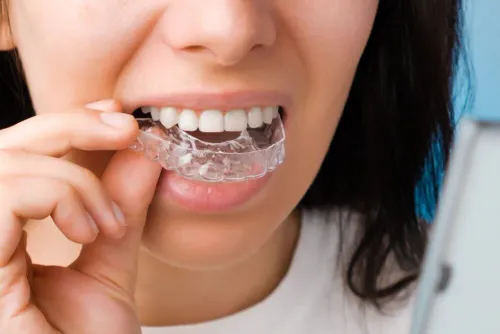
Clear aligners are custom-made removable trays worn in a planned sequence. Each tray applies controlled pressure to selected teeth, gradually guiding them towards their intended positions.
Digital scans and specialised planning software may be used to develop the sequence. Attachments, which are small tooth-coloured shapes bonded to certain teeth, may be necessary to create specific movements.
The trays are removable, but treatment is not casual. They usually need to be worn for most of the day according to the dentist’s instructions.
How Fixed Braces Differ
Fixed braces use brackets attached to the teeth and wires that are adjusted during treatment. Because they remain in place, they do not depend on the patient remembering to wear them.
Braces can be effective for many simple and complex movements. Clear aligners can also manage a wide range of cases, but certain bite problems or difficult tooth movements may be more predictable with fixed appliances or a combined approach.
Who May Be a Good Aligner Candidate
Clear aligners may be considered for patients with crowding, spacing, rotated teeth, or selected bite concerns. Good candidates are also willing to:
- Wear trays as prescribed
- Remove them before eating
- Clean their teeth before reinserting them
- Keep trays safely when not in use
- Attend monitoring appointments
- Wear retainers after active treatment
Patients who frequently forget or remove their trays may experience slower progress or incomplete movement.
What a Proper Assessment Includes
An orthodontic assessment should examine more than the visible front teeth. It may include facial balance, jaw relationships, gum health, available space, tooth roots, impacted teeth, and the way the upper and lower teeth meet.
Dental X-rays may be needed before treatment. Active cavities or gum disease should generally be managed first.
A digital simulation can help explain the plan, but it is not a guarantee. Teeth may respond differently, and refinement trays or additional procedures may be required.
Questions About Fees
Instead of comparing only the starting price, ask whether the estimate includes:
- Diagnostic records
- All planned aligner sets
- Attachments
- Interproximal enamel reduction when required
- Refinement trays
- Review appointments
- Replacement of lost trays
- Retainers
- Follow-up after treatment
A lower quotation may exclude important stages. A written explanation makes comparisons more meaningful.
Retainers Remain Essential
Teeth have a natural tendency to shift after orthodontic movement. Retainers help hold them in their corrected positions while the supporting tissues adapt.
This applies to both clear aligners and conventional braces. Patients should understand the retainer schedule and replacement requirements before starting.
Dr. Sunil Shahane Dental Clinic can evaluate alignment and bite concerns and explain which orthodontic approach may be suitable. Patients considering Clear Aligners Treatment in Titwala should expect individual planning rather than a decision based only on photographs.
Clear aligners offer convenience and discretion, but their success depends on appropriate case selection, consistent wear, professional monitoring, and long-term retainer use.
Keywords