Many people would like straighter teeth but hesitate because they do not want noticeable metal braces. Advances in orthodontics have introduced clear aligners, a modern treatment that gradually moves teeth using transparent, removable trays. They have become a popular option for teenagers and adults who want a discreet way to improve their smile.
Clear aligners are designed to fit comfortably over the teeth and are custom-made for each patient. While they are highly effective for many orthodontic concerns, they are not suitable for every case. Understanding how the treatment works can help you determine whether it may be the right choice.
What Are Clear Aligners?
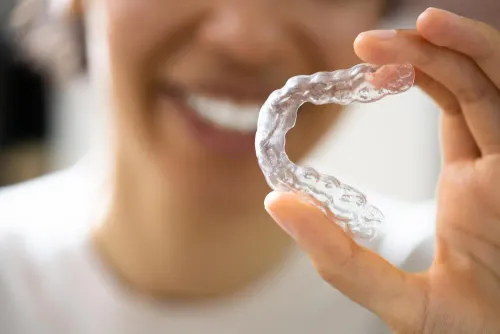
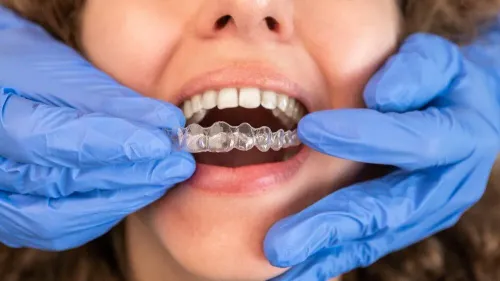
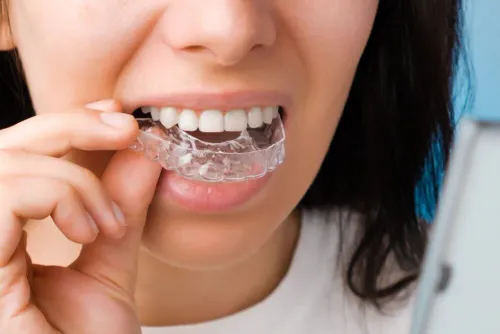
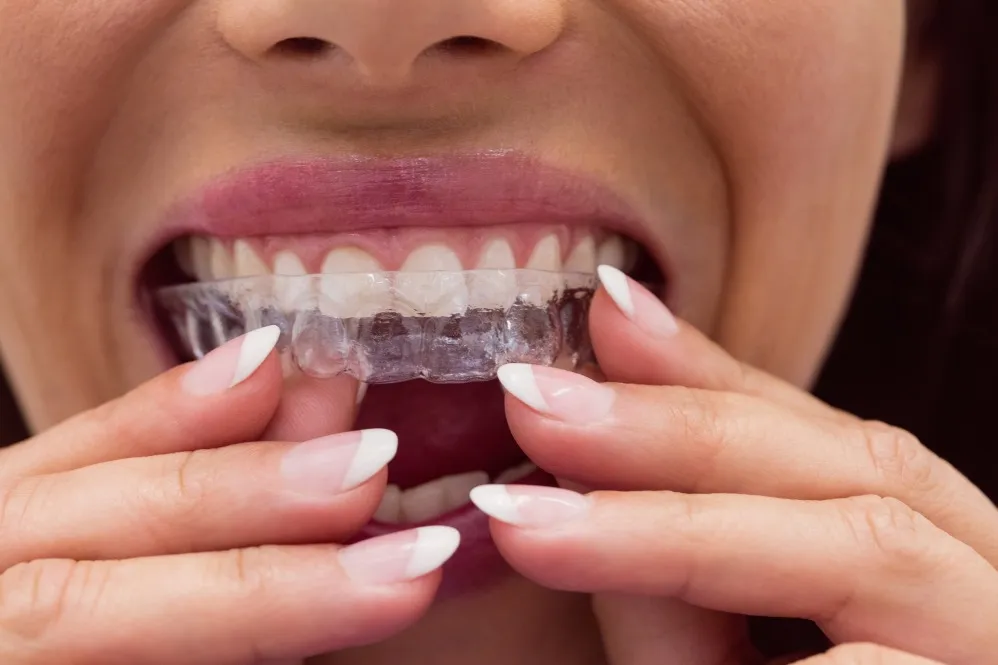
Clear aligners are a series of transparent plastic trays that gently move teeth into their planned positions over time.
Each set of aligners is worn for a specified period before progressing to the next set. Every aligner is slightly different, allowing teeth to move gradually according to the treatment plan.
Unlike conventional braces, aligners do not use brackets or wires, making them less noticeable during daily activities.
What Dental Problems Can Clear Aligners Correct?
Depending on the complexity of the case, clear aligners can address several orthodontic concerns, including:
- Crowded teeth
- Small gaps between teeth
- Mild to moderate bite problems
- Crooked teeth
- Rotated teeth
- Relapse after previous orthodontic treatment
A detailed orthodontic assessment determines whether aligners are the most suitable treatment or whether another approach would provide better results.
Benefits of Clear Aligners
Many patients choose aligners because they offer convenience alongside effective tooth movement.
Some of their advantages include:
- Nearly invisible appearance
- Removable during meals
- Easier brushing and flossing
- No dietary restrictions caused by fixed brackets
- Smooth surfaces that reduce irritation
- Customized treatment planning
Their discreet appearance makes them especially attractive to working professionals and adults who prefer a less noticeable orthodontic solution.
How Does Treatment Begin?
The process starts with a comprehensive dental examination.
Your dentist may perform:
- Clinical evaluation
- Digital scans of your teeth
- Bite analysis
- Digital photographs
- X-rays if required
Using these records, a customized treatment plan is created, showing how the teeth are expected to move throughout the treatment.
The aligners are then fabricated specifically for your mouth.
How Long Does Treatment Take?
Treatment duration depends on the complexity of tooth movement required.
Mild corrections may take several months, while more comprehensive orthodontic cases may require longer treatment.
Success also depends on patient cooperation. Since aligners are removable, they should be worn for the recommended number of hours each day to achieve the planned results.
Failing to wear them consistently can delay treatment and affect the final outcome.
Caring for Your Aligners
Proper maintenance keeps both your aligners and your teeth healthy.
Helpful care tips include:
- Remove aligners before eating.
- Brush your teeth before wearing them again.
- Clean aligners using recommended cleaning methods.
- Store them safely when not in use.
- Attend scheduled review appointments.
- Follow the treatment schedule carefully.
Good oral hygiene helps prevent cavities and gum problems throughout orthodontic treatment.
Digital Technology Improves Orthodontic Planning
Modern orthodontics relies heavily on digital dentistry.
Digital scans eliminate the need for many traditional impressions while allowing highly accurate treatment planning. Patients can often view simulated tooth movement before treatment begins, making it easier to understand the expected results.
People across Dombivli, Kalyan, Thane, Titwala, Badlapur, Ambarnath, and surrounding regions increasingly seek orthodontic solutions that fit comfortably into their daily lives without compromising professional or social confidence.
Dr. Sunil Shahane Dental Clinic uses digital evaluation and personalized orthodontic planning to determine whether clear aligners are suitable for each patient. Treatment recommendations are based on dental health, bite analysis, and long-term stability rather than cosmetic appearance alone.
Clear aligners have transformed modern orthodontics by offering an effective and discreet alternative to traditional braces for many patients. With proper planning, consistent wear, and regular dental supervision, they can help create a healthier, straighter smile while fitting seamlessly into everyday life.
Keywords