Dental problems often progress quietly. A small cavity may cause no pain, early gum disease may produce only occasional bleeding, and gradual tooth wear can go unnoticed until sensitivity or fracture develops.
Preventive Dentistry in Badlapur focuses on recognising risks early, maintaining healthy teeth and gums, and reducing the likelihood that minor concerns will become complex treatment needs.
Prevention Is More Than Professional Cleaning
A dental cleaning removes deposits that cannot be managed effectively with routine brushing alone. However, preventive care also involves examining the teeth, gums, soft tissues, bite, restorations, and individual risk factors.
A preventive visit may include:
- Oral examination
- Gum assessment
- Professional cleaning
- Review of brushing and interdental cleaning
- Cavity-risk evaluation
- Dietary guidance
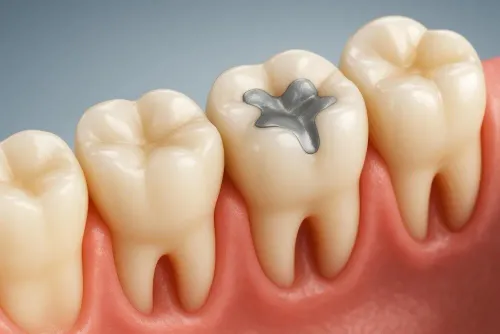
- Examination of existing fillings or crowns
- Oral soft-tissue screening
- Bite and tooth-wear assessment
- X-rays when clinically indicated
Not every patient needs the same tests or visit interval. Someone with active gum disease or a high cavity risk may need closer monitoring than a patient with stable oral health.
Prevention in Young Adults
Young adults may experience wisdom-tooth problems, orthodontic relapse, cavities between teeth, or gum inflammation. Busy work and study schedules can lead to irregular meals, frequent snacking, and delayed appointments.
Important habits include twice-daily brushing, daily interdental cleaning, limiting frequent sugary drinks, and using a sports mouthguard where appropriate.
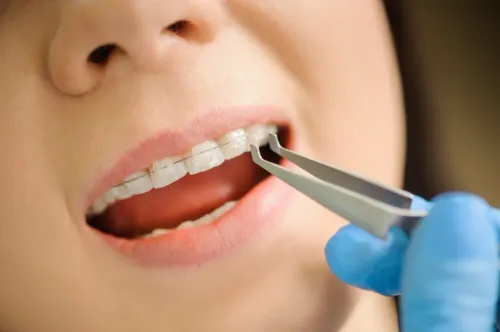
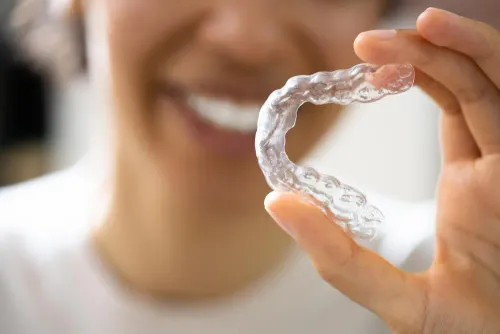
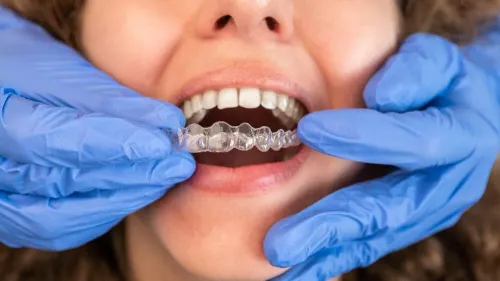
Patients who completed braces or aligner treatment should continue wearing retainers as instructed.
Priorities During Middle Age
Old fillings, cracked teeth, gum recession, tooth wear, and teeth grinding become more common concerns over time.
Patients may also develop health conditions or begin medicines that affect the mouth. Dry mouth, for example, can increase cavity risk because saliva helps protect the teeth.
Preventive planning may therefore involve fluoride support, management of dry mouth, a night guard for selected grinding problems, or more frequent gum care.
Oral Health for Senior Citizens
Age alone does not cause tooth loss. Many older adults can retain natural teeth when disease is controlled and daily cleaning remains effective.
Senior citizens may need support with:
- Cleaning around bridges or implants
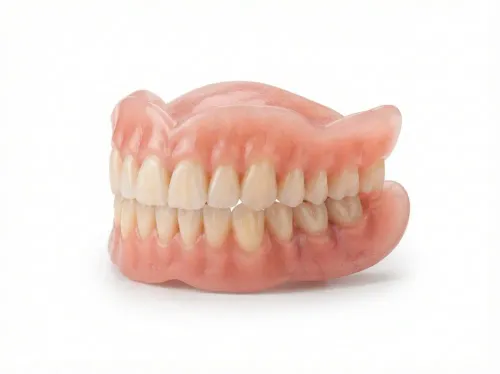
- Caring for removable dentures
- Managing dry mouth
- Monitoring exposed root surfaces
- Maintaining nutrition when chewing is difficult
- Adapting toothbrush handles for limited dexterity
- Checking for denture-related sores
- Reviewing changes in oral tissues
Dentures should be removed and cleaned as instructed. Persistent ulcers or red patches should not be dismissed as normal irritation.
Everyday Habits That Matter
A practical preventive routine includes:
- Brush twice daily using fluoride toothpaste.
- Clean between teeth using floss or an appropriate interdental aid.
- Spit after brushing rather than repeatedly rinsing away the toothpaste.
- Reduce the frequency of sugary snacks and drinks.
- Drink water regularly.
- Avoid smoking and smokeless tobacco.
- Wear protective appliances when recommended.
- Report bleeding gums, ulcers, sensitivity, or tooth movement.
Aggressive brushing is not better brushing. Excessive force can contribute to gum recession and tooth-surface wear.
Why Waiting for Pain Is Risky
Pain is not an early warning sign for every condition. Gum disease and some cavities can progress without significant discomfort. By the time chewing becomes painful or a tooth breaks, treatment may be more extensive.
Early detection may allow a small filling, targeted gum care, or behaviour change instead of root canal treatment, extraction, or complex restoration.
Building a Personal Prevention Plan
Patients seeking Preventive Dentistry in Badlapur should ask how often they need reviews, which cleaning method suits their teeth, and whether they have specific risk factors.
Dr. Sunil Shahane Dental Clinic can assess oral health and recommend an individual maintenance schedule. Advice should reflect the patient’s age, medical history, previous dental treatment, and ability to clean at home.
Prevention does not guarantee that no dental problem will ever develop. It improves the opportunity to identify changes early, control avoidable risks, and preserve comfortable function for longer.
Keywords