When multiple dental problems occur at the same time, treating just one tooth rarely provides lasting relief. Missing teeth, worn enamel, damaged fillings, bite problems, gum disease, and jaw discomfort often develop together over the years. In such situations, dentists may recommend full mouth rehabilitation a personalized treatment plan that restores the health, function, and appearance of the entire mouth.
Rather than focusing on a single procedure, full mouth rehabilitation combines different dental treatments based on an individual's needs. The goal is to help patients chew comfortably, speak clearly, reduce discomfort, and regain confidence in their smile while preserving long-term oral health.
What Is Full Mouth Rehabilitation?
Full mouth rehabilitation, sometimes called full mouth reconstruction, is a comprehensive dental treatment designed for people with extensive oral health concerns. It involves restoring or replacing multiple teeth while correcting problems that affect the bite, gums, jaw joints, and overall dental function.
Every rehabilitation plan is unique. After a detailed examination, the dentist creates a customized sequence of treatments to address existing problems systematically.
Depending on the patient's condition, the treatment plan may include:
- Dental implants
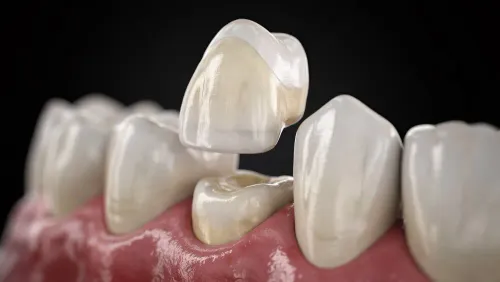
- Crowns and bridges
- Root canal treatment
- Gum therapy
- Tooth-colored fillings
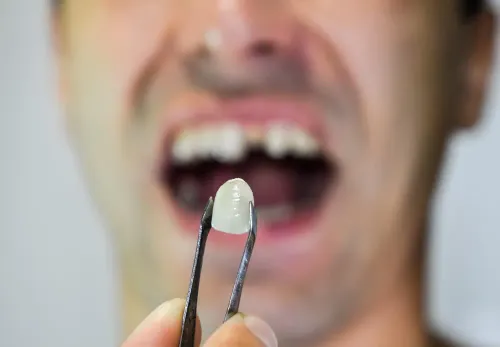
- Veneers
- Bite correction
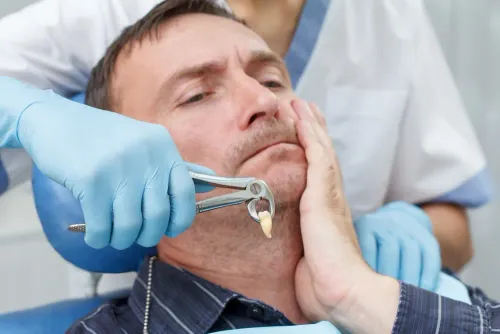
- Tooth extractions where necessary
- Replacement of old or failing restorations
The combination of treatments depends entirely on the patient's oral health rather than following a standard approach.
Who May Need Full Mouth Rehabilitation?
Many people believe this treatment is only for senior citizens, but patients of different age groups may benefit from it if multiple dental issues affect their quality of life.
A dentist may recommend full mouth rehabilitation for people who have:
- Multiple missing teeth
- Severely worn teeth from grinding
- Broken or cracked teeth
- Long-standing tooth decay
- Advanced gum disease
- Bite imbalance
- Difficulty chewing food
- Chronic jaw discomfort
- Old dental work that no longer functions properly
People who have ignored dental problems for years often develop several interconnected issues, making comprehensive treatment more effective than isolated procedures.
Benefits Beyond Appearance
While many patients notice a dramatic improvement in their smile, the benefits extend well beyond aesthetics.
A properly planned rehabilitation can improve:
- Chewing efficiency
- Speech clarity
- Bite balance
- Jaw comfort
- Gum health
- Facial support
- Long-term oral function
Replacing missing teeth also helps distribute chewing forces more evenly, reducing excessive pressure on the remaining natural teeth.
How Is the Treatment Planned?
The planning stage is one of the most important parts of rehabilitation.
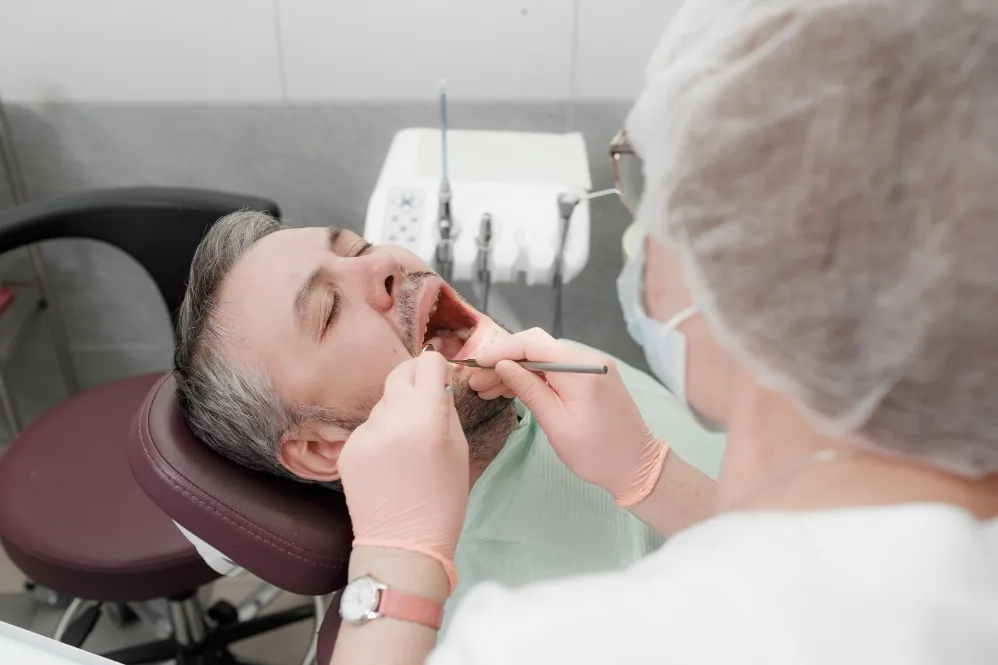
A comprehensive evaluation usually includes:
- Clinical examination
- Digital X-rays
- CBCT scans when required
- Bite analysis
- Photographs
- Study models
- Assessment of gum health
The dentist evaluates how every tooth functions together before deciding on the treatment sequence.
This detailed planning helps prevent future complications and ensures that each procedure contributes to the final outcome.
Does Treatment Take a Long Time?
The duration varies depending on the complexity of each case.
Some patients complete treatment within a few months, while others require a longer timeline if healing periods between procedures are necessary.
The process is often completed in carefully planned stages so the mouth heals properly while maintaining comfort throughout treatment.
Patients receive clear guidance about each phase before treatment begins, making the overall journey easier to understand.
Maintaining Results After Rehabilitation
Completing treatment is only the first step. Long-term success depends on maintaining good oral hygiene and attending regular dental check-ups.
Patients are usually advised to:
- Brush twice daily using proper technique
- Clean between teeth with floss or interdental brushes
- Attend routine dental examinations
- Avoid chewing excessively hard objects
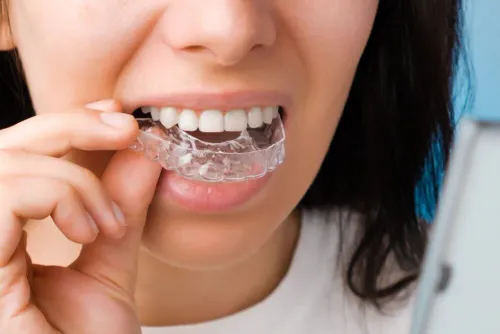
- Wear a night guard if teeth grinding is present
- Follow professional cleaning schedules
Good maintenance helps protect both natural teeth and dental restorations for many years.
Why Comprehensive Care Makes a Difference
Treating one dental problem without addressing related issues often leads to recurring complications. For example, replacing a missing tooth without correcting bite imbalance may place excessive pressure on the new restoration.
A comprehensive rehabilitation plan focuses on how the entire mouth functions together rather than treating individual teeth in isolation.
Patients from Dombivli, Kalyan, Thane, Badlapur, Ambarnath, Titwala, and surrounding parts of Maharashtra increasingly seek comprehensive dental care instead of temporary solutions, particularly when multiple oral health problems affect daily life.
Dr. Sunil Shahane Dental Clinic develops individualized rehabilitation plans using detailed diagnosis and modern digital evaluation to restore oral health in a structured manner. The emphasis remains on improving function, comfort, and long-term dental stability while creating natural-looking results.
Full mouth rehabilitation is not simply about replacing damaged teeth. It is a carefully planned process that restores balance, improves oral function, and helps patients enjoy healthier smiles for years to come.
Keywords