Digital dentistry can make diagnosis, communication, and the production of restorations more efficient. However, technology does not replace clinical judgement. A scanner or three-dimensional image becomes valuable only when it is used for an appropriate reason and interpreted correctly.
Patients considering a Digital Dental Clinic in Ambarnath should understand which technologies may affect their care and what questions to ask before treatment.
Digital Intraoral Scanning
An intraoral scanner captures detailed images of teeth and gums to create a digital model. In selected cases, it can replace conventional putty impressions.
Digital scans may be used for:
- Crowns and bridges
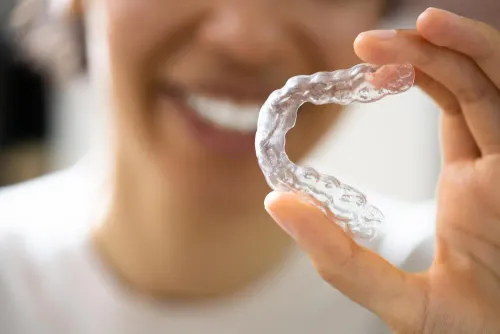
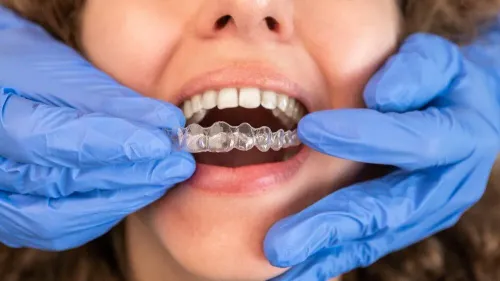
- Clear aligners
- Implant restorations
- Retainers
- Bite analysis
- Treatment monitoring
- Diagnostic models
Patients who have a strong gag reflex may find scanning more comfortable. Nevertheless, conventional impressions can still be appropriate in certain clinical situations.
Digital Dental X-Rays
Digital radiographs help evaluate areas that cannot be assessed through visual examination alone, including tooth roots, bone levels, decay between teeth, and developing teeth.
The type and number of X-rays should depend on clinical need. Being digital does not mean imaging should be performed without justification.
Dentists should follow radiation-protection principles and use the lowest exposure reasonably required for useful diagnostic information.
Three-Dimensional Imaging
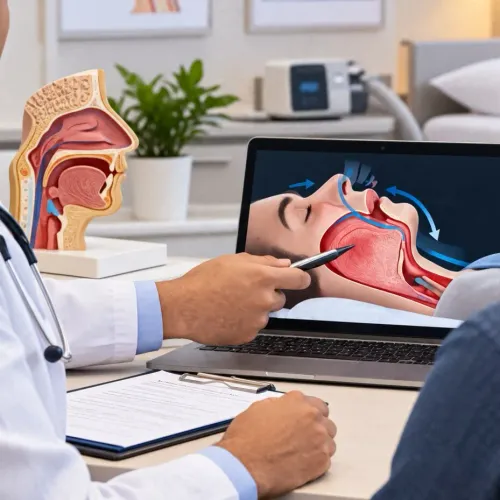
Cone-beam computed tomography can provide three-dimensional information about teeth, bone, sinuses, impacted teeth, and nerve pathways.
It may assist with selected procedures such as:
- Dental implant planning
- Complex wisdom-tooth assessment
- Evaluation of impacted teeth
- Certain root canal cases
- Examination of jaw structures
- Surgical planning
A three-dimensional scan is not necessary for every dental visit or every simple procedure. The expected diagnostic benefit should justify its use.
Digital Implant Planning
Digital scans and three-dimensional imaging can sometimes be combined to study available bone and plan implant positions. A surgical guide may then be designed to help transfer the plan to the mouth.
Guided implant surgery still requires clinical skill. The dentist must account for gum thickness, mouth opening, bone quality, guide stability, and changes that may become apparent during surgery.
Smile and Orthodontic Simulations
Digital software can help patients visualise possible changes in tooth position, shape, or appearance. It may improve communication by showing the direction of treatment.
A simulation should be treated as a planning illustration rather than a promised result. Biological response, tooth movement, gum contours, material limitations, and patient cooperation can influence the final outcome.
Same-Day Dentistry Is Not Always Necessary
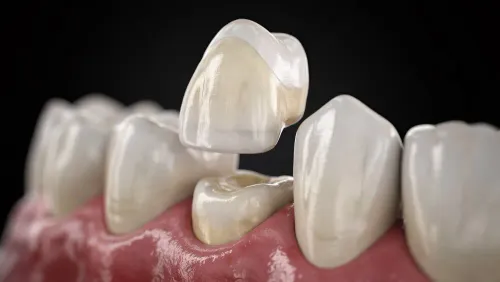
Some clinics use computer-aided design and manufacturing to produce selected restorations more quickly. This can reduce laboratory stages in suitable cases.
Speed, however, should not be the only deciding factor. A restoration must still have appropriate fit, bite, contour, strength, cleansability, and appearance. Complex cases may benefit from additional planning or collaboration with a dental laboratory.
What Patients Should Evaluate
When choosing a Digital Dental Clinic in Ambarnath, ask:
- How will this technology improve my diagnosis or treatment?
- Is the scan necessary for my case?
- Who interprets the images?
- Can I see and understand the findings?
- Will my information be stored securely?
- Is a conventional option available?
- Does digital planning change the treatment cost?
- What happens if the actual clinical condition differs from the plan?
A provider should be able to explain the clinical value without relying on technical terminology.
Technology and Patient Safety
Digital records should be accurate, securely maintained, and connected to the correct patient. Equipment also requires calibration, maintenance, and proper infection-control procedures.
Dr. Sunil Shahane Dental Clinic uses diagnostic and treatment planning methods according to individual requirements. Patients should expect technology to support not overshadow a thorough examination and informed discussion.
The best digital dental experience combines useful imaging, careful interpretation, clear communication, and sound clinical execution. Advanced equipment is beneficial when it leads to a better-informed and more personalised treatment decision.
Keywords